

Introduction
An mri tech plays a key role in modern medical imaging and helps doctors understand what is happening inside the human body. Many beginners want to know how the career works, how long school takes, how much salary they can earn, and what daily tasks they must handle. This full guide explains the complete journey in simple B1 English. It gives deep knowledge about programs, classes, jobs, responsibilities, salary trends, and long-term growth. By the end, you will have a clear picture of how this career works and what to expect before joining the field.
1. Understanding the Daily Work of This Career
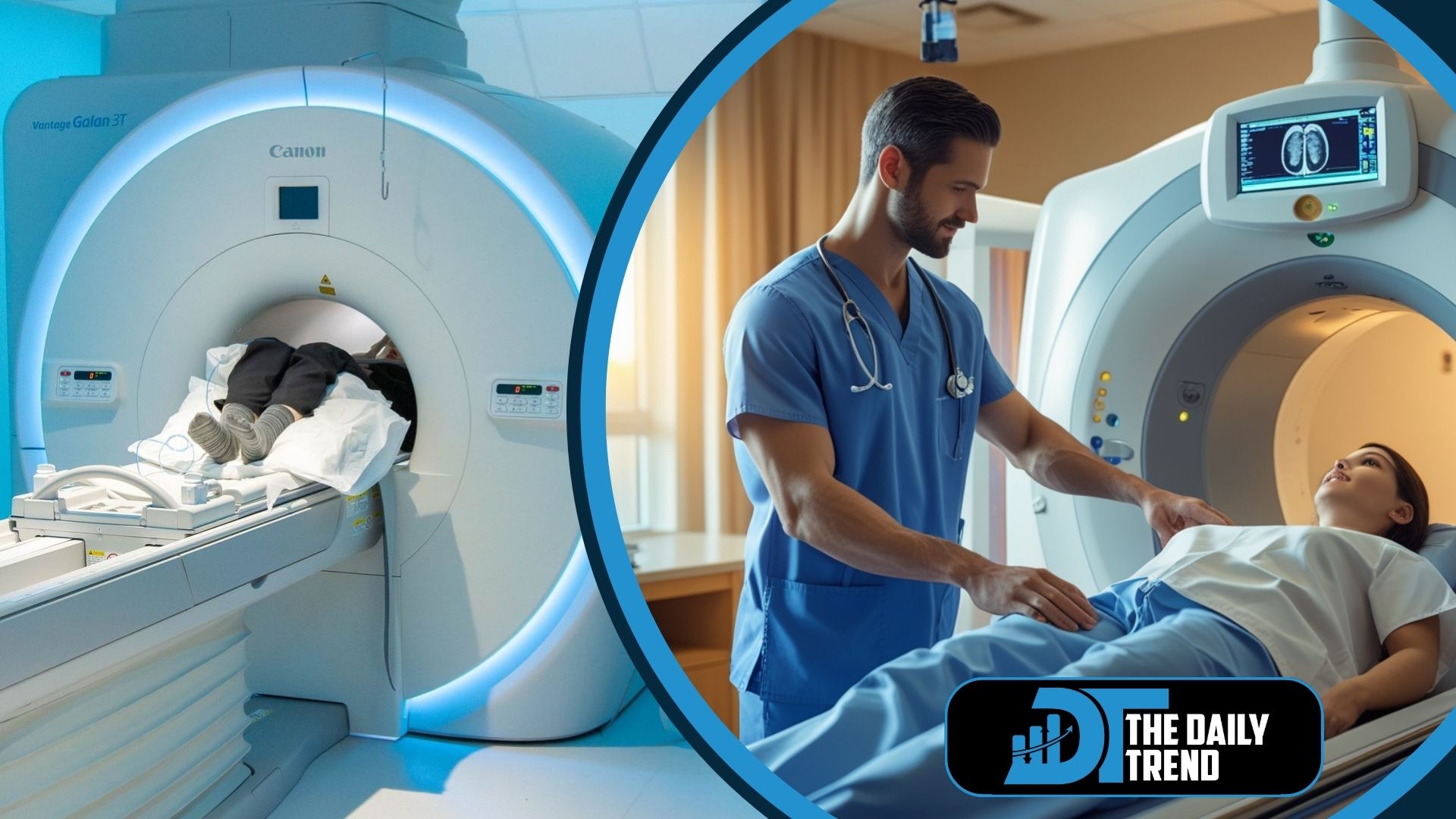
The daily responsibilities of an mri tech include preparing patients for their scan, checking safety questions, and confirming that the patient has no metal items. They must also ask about implants like pacemakers, cochlear devices, or surgical plates. These safety checks are important because the MRI magnet is strong and can affect metal inside the body. Many patients feel nervous before the scan, so a calm and friendly approach is needed.
Once the patient is ready, the technologist positions the person on the table and sets the correct program on the machine. The worker watches the images appear on the screen and checks if they meet the doctor’s needs. If the picture is blurry, they repeat the scan or adjust settings. Throughout the process, they talk to the patient through a microphone, offering comfort and instructions. This job requires a balance of compassion, technology skills, and strong focus.
In some cases, scans are done for trauma, cancer checks, brain injuries, or joint problems. Because of this, the worker must understand anatomy and basic medical terms. Even though they do not diagnose conditions, they must know which views are needed for different body parts. They support doctors by providing clear, high-quality images that guide medical decisions.
2. Training Path and Education Requirements
Most people begin their journey to become an mri tech after finishing high school. The next step is choosing an accredited training program. These programs teach medical science, anatomy, MRI technology, image quality control, physics basics, and patient care. Students also learn how to handle contrast dye, which helps highlight blood vessels and tissues in some scans.
Programs may appear as certificate courses, associate degrees, or special medical imaging programs. Certificate programs are shorter and good for people already working in healthcare. Associate degree programs take longer but offer a deeper learning experience. Both paths include clinical training. During clinical rotations, students work in real hospitals under the supervision of professionals. They learn how to manage patients, operate machines, and communicate clearly with the medical team.
After completing school, most students take the ARRT exam. Passing this exam allows them to apply for certification. Some states also require licensing. Beginners should check state rules before applying. A certified person can find work faster and earn better pay.(mri tech)
3. School Duration and Study Options
Many beginners ask how long it takes to finish school. On average, programs last between 12 and 24 months. Shorter programs focus mainly on MRI theory and clinical practice. Longer programs include extra subjects like math, communication, and general science. Both types prepare students for real work.
Some schools offer online classes for theory subjects like physics and medical terminology. Online learning helps people who work part-time or have family responsibilities. But clinical training must always be done in person. Hospitals teach how to move the table, position the patient, start sequences, and check image clarity. Students also learn how to handle stressful situations, such as emergency scans or patients who cannot stay still.
When searching for the right school, many people look up mri tech programs, mri tech schooling, mri tech programs near me, or online mri tech programs. These searches help compare different programs, costs, and training quality. Accreditation ensures the education meets national standards.
4. Salary Expectations Across the United States
Salary is one of the strongest reasons many people choose this field. On average, salaries range between $70,000 and $110,000 per year. New workers earn less, but pay increases over time with experience. Hospitals, private imaging centers, and specialty clinics all offer different pay levels. Some places pay more because they need additional staff or run advanced imaging departments.
In some states, the numbers are much higher. For example, the mri tech salary California range is often above $105,000 due to high demand and higher living costs. Rural areas sometimes pay extra bonuses to attract skilled workers. Travel positions also offer strong pay. A travel mri tech often earns high weekly pay, housing support, and completion bonuses. Travel workers fill urgent staffing needs and gain experience in different hospitals.
Salary also depends on skill growth. Workers who learn advanced sequences or special areas like cardiac MRI or neuroimaging can earn more. Many employers reward workers who continue training and show leadership.
5. Programs, Classes, and Certification Details
Many students want to know which classes are important. Programs usually include medical ethics, anatomy, patient handling, MRI physics, sectional imaging, and radiation safety. Even though MRI uses magnets instead of radiation, safety training is still essential. Students also learn how contrast dye works and when doctors request it. Clinical supervisors teach real-world skills and help students improve confidence.
Certification is a big step in the career. The ARRT exam tests knowledge of anatomy, image quality, patient safety, and machine operation. Many employers prefer certified workers because they are well-trained. Some states require extra steps like background checks or state exams. Students in New Jersey often search how to become an mri tech in NJ because the state has specific requirements. Knowing the rules helps avoid delays.
Many training centers also offer job placement support. They help students write resumes, prepare for interviews, and connect with local employers. This support makes finding the first job easier.
6. Handling Safety, Patients, and Machine Techniques
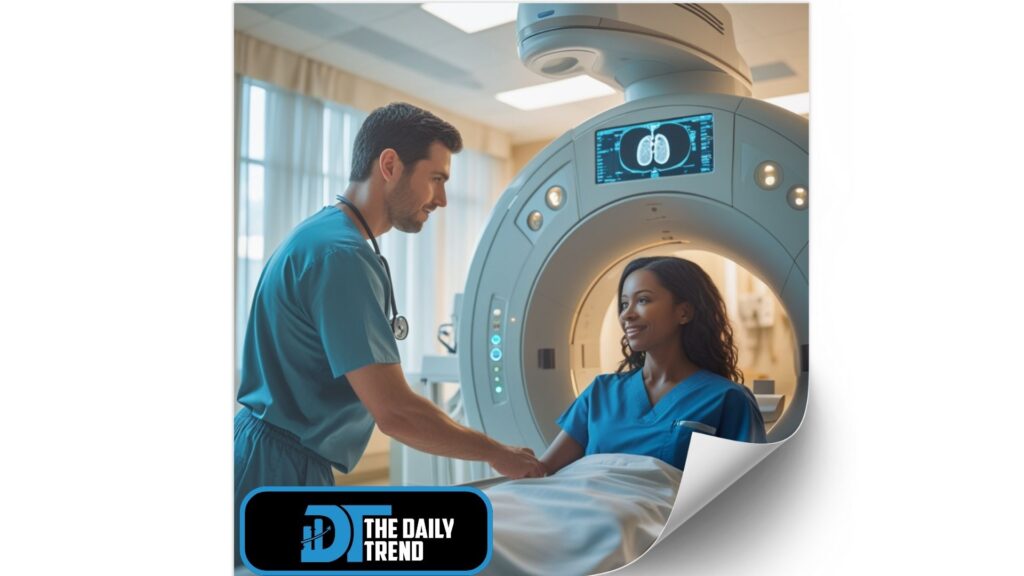
Safety is one of the most important parts of this career. Workers must understand how the magnet interacts with metal and ensure that nothing unsafe enters the room. They ask the patient about surgeries, implants, and past medical history. If a person has a pacemaker, the scan may need special approval or different equipment.
Workers also manage patient comfort. Some people feel claustrophobic during the scan. The technologist explains each step, offers earplugs, and keeps communication open through the microphone. They guide breathing instructions, encourage stillness, and monitor movement. Clear communication can prevent the need for repeat scans.
Machine handling takes practice. Each brand—such as GE, Siemens, and Philips—has different controls. Workers learn how to choose sequences like T1, T2, FLAIR, and Diffusion for different body parts. These sequences help doctors study bones, nerves, muscles, and organs. With time, the worker learns which sequence fits each exam type.
7. Job Opportunities, Growth, and Future Trends
Job opportunities are strong in hospitals, clinics, and outpatient imaging centers. Many people search mri tech jobs or mri tech jobs near me to check openings in their area. New graduates often start in busy hospital departments because these places offer many chances to learn. After gaining experience, workers can move to more specialized roles.
Some workers become senior technologists, trainers, or department leads. Others move into education and teach in colleges or training programs. A few join medical device companies as equipment trainers. These roles offer higher pay and leadership opportunities.
Another fast-growing path is travel work. Travel assignments last 8 to 13 weeks and often include free housing or housing allowance. Workers meet new teams, learn new machines, and explore new cities. This path works well for people who enjoy change and flexible schedules.
The future of this career is bright. Modern hospitals depend heavily on MRI because it shows soft tissue clearly without radiation. As technology improves, new machine models produce faster and sharper scans. This keeps the demand for skilled workers high.
8. Common Concerns and Honest Answers for Beginners
Many beginners worry if the job is stressful. The work can be busy, but teamwork makes it easier. Most hospitals have support staff, nurses, and other technologists to share the workload. With practice, tasks become easier, and confidence grows.
Another question is whether the job is physically demanding. The work involves helping patients on and off the table, moving the machine bed, and positioning equipment. Good body mechanics prevent injury. Some workplaces use lifting tools for heavier patients.
People also ask if math is needed. Only basic math is required, such as calculating contrast dose or adjusting measurements. Anyone with simple math skills can succeed. Communication skills are more important because the technologist speaks with patients all day.
Scheduling is another concern. Hospitals may require night shifts, weekends, or holidays. Outpatient centers usually offer daytime shifts with weekends off. Travel workers choose their schedule by selecting specific assignments.
9. The Full Journey Toward Professional Success
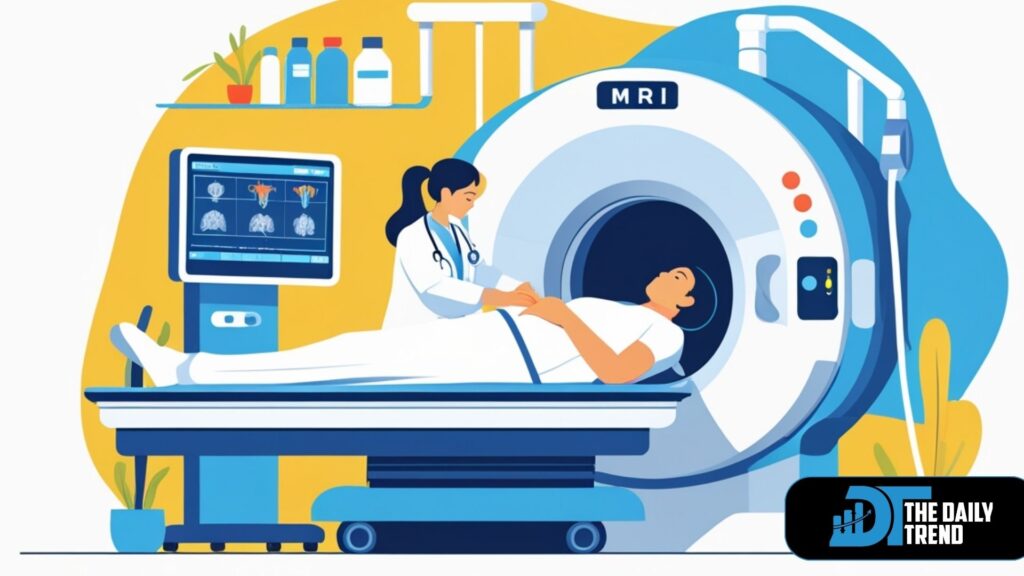
The full journey begins with choosing the right school. Students attend classes, complete clinical training, and take certification exams. After this stage, they find entry-level jobs, usually in hospitals or imaging centers. Over time, skills improve, and workers learn how to handle difficult cases, special scan types, and advanced equipment.
Many workers say the job brings pride and purpose. They support patients during difficult times, such as accidents, injuries, or illnesses. Their images help doctors understand conditions like stroke, tumors, disc herniation, and ligament tears. Patients often thank the technologist for kindness and patience. This human connection makes the career meaningful.
With experience, the worker becomes a trusted part of the medical team. They mentor new students, help train new employees, and support imaging departments during busy times. Career growth continues as new technology appears in healthcare.
Frequently Asked Questions
1. What does an MRI tech do?
An MRI tech runs MRI machines, helps patients feel safe, and creates clear images for doctors to study.
2. How long does MRI tech school take?
Most programs take 12–24 months, depending on whether you choose a certificate or an associate degree.
3. How much does an MRI tech make?
Salaries often range from $70,000 to $110,000 yearly, with higher pay in states like California.
4. Are online MRI tech programs good?
Yes. Many schools offer online classes, but you still need hands-on clinical training in a real facility.
5. Is becoming an MRI tech hard?
It requires study and practice, but many students find it manageable with focus, patience, and
Conclusion
The path to becoming an mri tech offers strong benefits, good salary, and long-term job security. The career blends technology, science, and patient care. Training programs, school options, and certification exams help beginners build a solid foundation. With time and experience, workers gain confidence and master complex scanning techniques. Whether you choose a stable local job or travel assignments, the field offers bright possibilities. The demand for skilled workers continues to rise as hospitals rely more on high-quality imaging. For anyone interested in healthcare and technology, becoming an mri tech is a rewarding and future-ready choice.
