


A behavioral health technician plays a key role in helping people with mental health challenges. They assist doctors, nurses, and therapists by helping patients manage their daily activities, follow treatment plans, and improve emotional well-being. This role focuses on both mental and behavioral support, making it different from other healthcare jobs. Many people also call this role a mental health technician, though duties may vary depending on the workplace.
Quick Bio of behavioral health technician
| Specification | Details |
|---|---|
| Job Title | Behavioral Health Technician |
| Alternate Title | Mental Health Technician |
| Education | High School Diploma, Optional Associate Degree |
| Certification | Certified Behavioral Health Technician (CBHT) |
| Workplaces | Psychiatric hospitals, rehabilitation centers, outpatient clinics, schools |
| Key Responsibilities | Patient care, therapy assistance, behavior monitoring, safety maintenance |
| Skills Required | Communication, empathy, crisis intervention, documentation, teamwork |
| Average Salary (U.S.) | $42,500/year |
| Salary Range (U.S.) | $35,000–$60,000/year |
| Job Outlook | Growing demand due to rising mental health awareness |
| Specializations | Substance abuse, adolescent mental health, developmental disabilities |
| Typical Work Hours | Day, night, weekend, or holiday shifts depending on facility |
| Career Advancement | Supervisory roles, therapy assistant, case manager, licensed counselor |
What Is a Behavioral Health Technician?
A behavioral health technician is a healthcare professional who helps patients manage mental health disorders, behavioral challenges, or substance abuse problems. They often work in psychiatric hospitals, rehabilitation centers, and community clinics. Their main tasks include observing patients, reporting changes in behavior, and assisting with treatment plans.
Unlike doctors or therapists, a behavioral health technician focuses on practical patient care. They may help patients with daily routines, assist in therapy exercises, and create a safe, structured environment. Many start as mental health technicians before earning a behavioral health technician certification, which improves career prospects.
Key Responsibilities
The main duties of a behavioral health technician include observing patients and reporting behavioral changes to supervisors. They may assist in therapy, lead group activities, and help patients with hygiene, meals, or mobility. Monitoring patient progress ensures effective treatment.
Safety is also critical. Technicians manage aggressive behavior, prevent self-harm, and respond to crises. They may assist with medication administration under supervision. This work requires attention to detail, patience, and emotional resilience.
Work Environment
Behavioral health technicians work in various settings, including psychiatric hospitals, residential care facilities, outpatient clinics, and rehabilitation centers. Some work in schools or community programs to provide behavioral support.
Schedules often include night shifts, weekends, and holidays, as many facilities operate 24/7. Despite the demands, these environments offer hands-on experience and career growth. Many technicians advance to lead or supervisory roles with experience.
Skills Needed
A behavioral health technician needs both soft and technical skills. Communication and empathy are essential for interacting with patients. Observational skills are important to detect changes in behavior, mood, or physical condition.
Other skills include crisis intervention, documentation, teamwork, and physical stamina. Technicians assist patients with daily tasks, mobility, and therapeutic exercises. Adaptability, patience, and emotional resilience are crucial due to the job’s challenges.
Education Requirements
Most positions require a high school diploma or GED, but employers prefer candidates with certificates or associate degrees in behavioral health, psychology, or social work.
Certifications, such as mental health technician certification or certified behavioral health technician, enhance job prospects. Some programs even offer free behavioral health technician certification for beginners. These programs teach patient care, behavioral management, and professional ethics.
How to Become a Behavioral Health Technician
To become a behavioral health technician, start with basic education and pursue a certification program. Gain experience through internships or entry-level work as a mental health technician. On-the-job training helps technicians develop hands-on skills.
Advanced education opens more career opportunities. A bachelor’s degree in psychology or social work can lead to supervisory or specialized roles. Certifications like behavioral health technician certification remain valuable for demonstrating skill and professionalism.
Salary and Job Outlook
Salaries for behavioral health technicians vary based on location, experience, and workplace. In the U.S., the average salary is around $42,500 per year, with experienced or certified technicians earning up to $60,000.
Globally, salaries differ. In Pakistan, for example, a mental health technician may earn around Rs 825,000 per year, depending on the employer. Job growth is strong due to rising mental health awareness and the increasing number of healthcare facilities.
Career Opportunities
Working as a behavioral health technician provides multiple career paths. Entry-level roles provide practical experience, while experienced technicians may advance to lead technician or supervisory positions.
Other opportunities include case management, therapy assistant, or specialized behavioral roles. Further education can lead to roles such as licensed counselor, clinical social worker, or psychologist. Continuous learning and certification help with advancement.
Specializations in Behavioral Health
Some behavioral health technicians specialize in areas like substance abuse treatment, adolescent mental health, or developmental disabilities. Specialization may require additional training or certification.
For example, in addiction recovery centers, technicians help patients through detox programs and behavioral therapy. In child and adolescent programs, they support therapy sessions, school activities, and social skill development. Specializations can lead to higher pay and more career opportunities.
Patient Interaction Scenarios
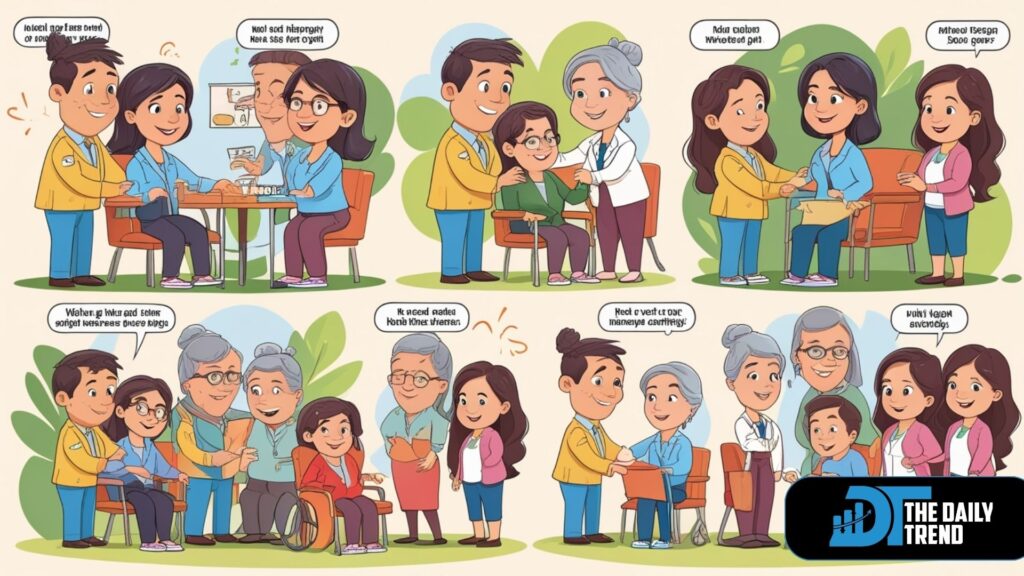
Daily work involves direct interaction with patients. Technicians may help a patient manage anxiety during therapy, redirect aggressive behavior, or assist someone struggling with daily tasks. These interactions require patience, empathy, and strong communication skills.
Technicians also record patient behavior for treatment planning. Accurate documentation ensures doctors and therapists can adjust therapy plans effectively. Adapting to each patient’s needs is critical, as no two patients respond the same way.
Challenges in the Role
The job is both emotionally and physically demanding. Technicians work with patients experiencing severe mental illness, behavioral crises, or substance abuse. Burnout and stress are common.
Shift work and unpredictable patient behavior add to the challenge. Despite this, many technicians find the role rewarding because they directly impact patients’ recovery and quality of life. Emotional resilience, patience, and professional boundaries are essential.
Tools and Technologies
Behavioral health technicians use various tools to help patients. Electronic health records (EHRs) track progress and report behavior changes. Behavior tracking apps assist in therapy monitoring. Safety tools, such as alarms and communication devices, are also important.
Training programs and certifications often teach technicians how to use these tools efficiently, ensuring patient care and safety remain top priorities.
Difference Between Mental Health and Behavioral Health Technician
The roles of mental health and behavioral health technicians are similar but differ slightly. A mental health technician mainly provides psychiatric and emotional care, while a behavioral health technician manages behavioral support and daily assistance.
Both roles require training and certification. Employers may use the terms interchangeably depending on regulations and workplace needs.

Certifications That Matter
Certifications like Certified Behavioral Health Technician (CBHT) or mental health technician certification increase employability and pay. These programs cover patient care, legal guidelines, and behavioral management.
Some organizations also offer free behavioral health technician certification, which is ideal for newcomers. Certified technicians enjoy better job security and promotion opportunities.
Behavioral Health Technician Jobs Near Me
Searching for behavioral health technician jobs near me helps identify local opportunities. Hospitals, clinics, and rehabilitation centers often hire entry-level technicians. Urban centers usually have more openings.
Online job platforms, hospital websites, and recruitment agencies are effective ways to find positions. Local demand is increasing as awareness of mental health issues grows.
Daily Life of a Behavioral Health Technician
A typical day includes observing patients, assisting therapy sessions, documenting behavior, and helping with daily care. Technicians also provide emotional support and maintain a safe environment.
They attend team meetings to discuss treatment plans. The role combines caregiving, observation, and communication, making it dynamic and rewarding.
Importance of Soft Skills
Soft skills are essential for a behavioral health technician. Empathy, patience, and emotional intelligence help technicians connect with patients. Problem-solving skills assist in managing unexpected situations.
Effective communication ensures accurate reporting to supervisors. Adaptability and resilience are also important due to the unpredictable nature of behavioral health work.
Tips to Succeed
Tips to succeed include staying updated on certifications such as CBHT refresher courses, practicing self-care to prevent burnout, networking with other professionals through associations like the American Association of Psychiatric Technicians (AAPT), documenting patient progress accurately, and pursuing specialization in areas like adolescent mental health or substance abuse.
Frequently Asked Questions
Q1: What does a behavioral health technician do? They support patients with mental health and behavioral challenges, assist in therapy, monitor behavior, and maintain a safe environment.
Q2: Do I need a degree? A high school diploma is minimum. Certificates or associate degrees improve job prospects.
Q3: What is the average salary? In the U.S., the average is $42,500/year. Certified and experienced technicians earn more.
Q4: Are certifications important? Yes. CBHT or mental health technician certification increase employability and potential salary.
Q5: How long does it take to become a behavioral health technician? Entry-level positions can be started with high school education and short certification programs, usually 3–12 months, depending on the program.
Conclusion
A behavioral health technician is a rewarding career for those interested in mental health and patient care. The job requires education, certification, hands-on experience, and emotional resilience.
Technicians directly impact patients’ recovery while gaining valuable skills. By earning certifications, gaining experience, and specializing in areas of interest, a behavioral health technician can advance to supervisory or clinical roles, making it a long-term, meaningful career.
