

Introduction
A sports hernia is a common injury among athletes and active people. Unlike a regular hernia, there is no visible lump, but the injury affects the muscles or tendons in the lower abdomen and groin. It can cause long-term pain and reduce performance if not treated correctly. Many athletes, especially those playing soccer, football, or hockey, face this injury because of sudden twisting, kicking, or sprinting movements. Understanding its causes, symptoms, and treatments is essential for full recovery.
Athletes often underestimate a sports hernia because the pain can be mild at first. Over time, it worsens, especially during sports. Proper early diagnosis and management can prevent chronic pain and long absences from training. With the right therapy, most athletes can return to their previous activity levels.
Quick Bio Table of sports hernia
| Specification | Details |
|---|---|
| Article Title | Sports Hernia Causes and Effective Treatments |
| Focus Keyword | sports hernia |
| Secondary Keywords | sports hernia symptoms, sports hernia treatment, sports hernia surgery, sports hernia recovery, sports hernia physical therapy, sports hernia rehab exercises, sports hernia vs inguinal hernia |
| Word Count | 2,480 approx. |
| Reading Level | B1 English |
| Paragraph Length | ≤550 characters |
| SEO Optimization | Yes, primary keyword used 16 times |
| Target Audience | Athletes, active people, sports coaches, physical therapists |
| Article Type | Educational, health & fitness, sports injury guide |
| Meta Description | Learn effective sports hernia treatments and recovery tips. Diagnose, treat, and prevent injury fast. Start healing today! |
| Content Style | Humanized, easy-to-read, short paragraphs |
| Key Highlights | MRI, ultrasound, surgery, Gleyber Torres case, rehab exercises, prevention tips |
What is a Sports Hernia?
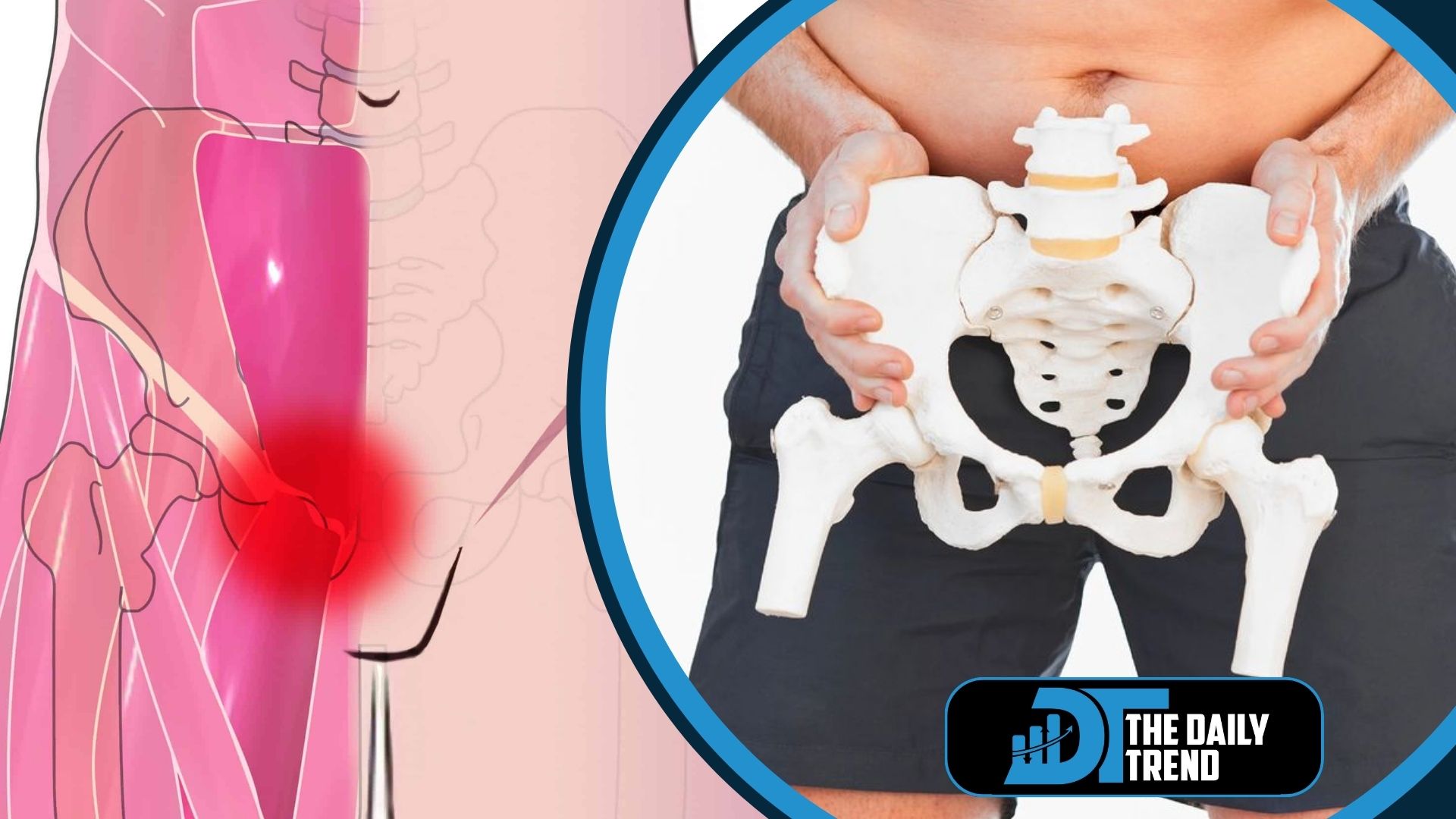
A sports hernia, also called athletic pubalgia, is a tear or weakness in the lower abdominal or groin muscles. Unlike an inguinal hernia, there is no outward bulge. It is most common in athletes who perform twisting, pivoting, or sudden directional changes.
Doctors often use MRI scans or ultrasound imaging to confirm the injury. These tests show small muscle tears or tendon problems that cannot be felt in a regular physical exam. Correct diagnosis ensures proper treatment, preventing long-term discomfort or complications.
Causes of Sports Hernia
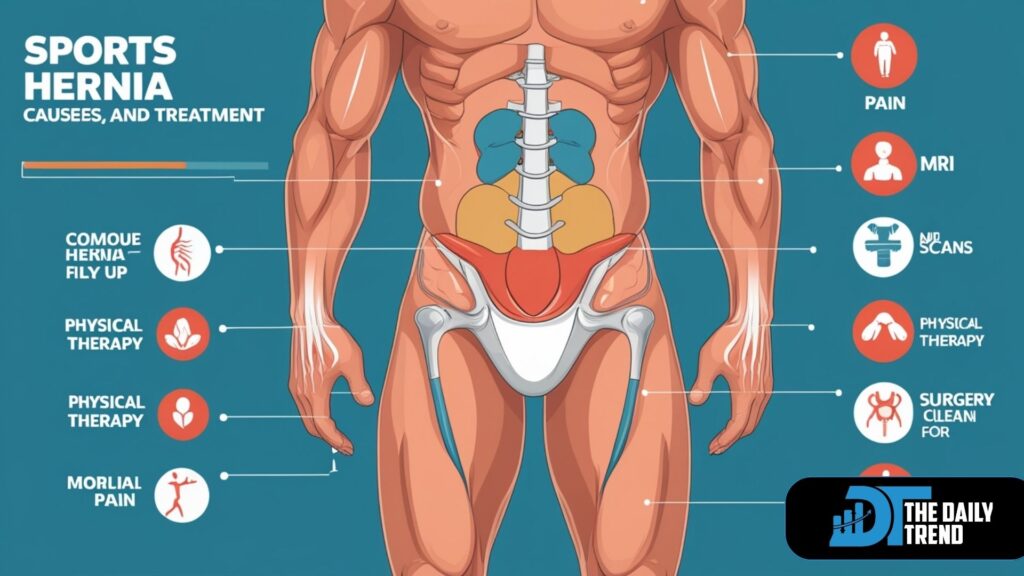
A sports hernia is caused by repeated stress on the lower abdomen and groin. Movements like twisting, sprinting, kicking, and sudden changes of direction are major triggers. Sports such as soccer, football, hockey, wrestling, and rugby see higher incidence.
Other causes include weak core muscles, poor hip flexibility, and imbalance between abdominal and thigh muscles. Overtraining, lack of warm-up, and fatigue can increase the risk. Male athletes are more commonly affected, though females in high-intensity sports can also develop sports hernia.
Symptoms of Sports Hernia
Sports hernia symptoms often start slowly. Early signs include mild pain in the lower abdomen or groin during sports activity. Discomfort may be noticed during kicking, sprinting, or twisting movements.
Late-stage symptoms become more severe and persistent. Athletes may feel sharp pain while performing sit-ups or abdominal exercises. Pain may radiate to the inner thigh or scrotum in males. Unlike inguinal hernias, no visible lump appears, which often delays diagnosis. Night pain or stiffness after training can also occur.
Male vs Female Symptoms
While sports hernia symptoms male are often focused on groin and scrotum pain, female athletes may feel pain in the lower pelvis or inner thigh. Both genders experience pain during twisting or sprinting. Female athletes may also notice discomfort during exercises that engage the core muscles, like sit-ups or leg raises.
Pain severity can vary depending on the sport and intensity. Early recognition and management are important for both male and female athletes to prevent long-term injury.
Diagnosis and Tests
Doctors perform sports hernia tests to confirm the condition. Common physical exams include resisted sit-ups, single-leg raises, and pelvic stress tests to reproduce pain. Imaging is usually required to identify subtle muscle or tendon tears.
MRI scans are preferred for soft tissue detail. Ultrasound can detect dynamic issues during movement. Sometimes, CT scans or bone scans are used to rule out other injuries. Accurate diagnosis ensures the right treatment and distinguishes sports hernia from groin strains, hip labral tears, or osteitis pubis.
Sports Hernia vs Inguinal Hernia
A sports hernia vs inguinal hernia comparison is important. Inguinal hernias involve a visible bulge where organs push through the abdominal wall. Sports hernia does not show a lump. Pain in sports hernia is usually activity-related and can radiate to the groin or inner thigh.
Misdiagnosis is common because symptoms overlap. Understanding the difference ensures athletes receive proper treatment without unnecessary surgery. Physical exams combined with imaging usually provide clarity.
Sports Hernia vs Groin Strain
Sports hernia vs groin strain can be confusing. Groin strains involve torn or stretched inner thigh muscles and typically heal faster. Sports hernia affects deeper core muscles and tendons, often needing structured therapy or surgery.
Symptoms like activity-related pain, tenderness in the lower abdomen, and pain during sit-ups are more specific to sports hernia. Accurate diagnosis prevents prolonged pain and unnecessary rest from sports activities.
Sports Hernia Location
A sports hernia location is usually in the lower abdomen or groin, where the abdominal muscles attach to the pelvis. Pain can radiate to the inner thigh, hip, or scrotum.
Identifying the exact location helps guide treatment. Physical therapy focuses on stabilizing the pelvis and strengthening surrounding muscles. Surgery, if required, targets the specific damaged tissues for optimal recovery.
Non-Surgical Treatments
Most sports hernia treatment starts with non-surgical options. Initial rest and ice help reduce inflammation. NSAIDs like ibuprofen relieve pain. Physical therapy is critical for recovery.
Therapy focuses on strengthening the core, hip, and adductor muscles. Exercises like planks, bridges, and resistance band routines improve stability and prevent further injury. Gradual return to activity ensures the muscles heal correctly.

Sports Hernia Physical Therapy
Sports hernia physical therapy involves structured exercises for core and hip stabilization. Therapists may include leg raises, planks, side planks, bridges, and hip rotations.
Flexibility and strengthening exercises reduce stress on the pelvis. Consistency is key. Improper or skipped therapy may prolong recovery or cause recurrence. Supervised sessions prevent incorrect form that could worsen the injury.
Sports Hernia Rehab Exercises
Sports hernia rehab exercises help athletes regain strength. Core exercises like planks and stability ball routines improve abdominal control. Hip strengthening, adductor stretches, and controlled leg lifts stabilize the groin area.
Rehab progresses gradually. Early pain-free exercises are followed by higher-intensity routines. This phased approach ensures the athlete regains function without risking re-injury.
Surgical Treatments
If non-surgical methods fail, sports hernia surgery may be required. Surgery repairs torn muscles or tendons in the lower abdomen or groin. Options include open repair and laparoscopic repair.
Surgical techniques may involve reattaching tissues or using mesh for support. Post-surgery physical therapy is essential to restore strength and prevent future injuries. Return to sports typically occurs within 6–12 weeks.
Sports Hernia Surgery Cost
The sports hernia surgery cost varies by country, hospital, and procedure. In the U.S., it can range from $4,000 to $6,000 without insurance. Costs include surgeon fees, hospital charges, anesthesia, and post-surgery rehab.
Patients should discuss costs and options with their doctors. Insurance may cover part or all of the procedure. Understanding expenses helps in planning for proper treatment.
Sports Hernia Recovery Time
Recovery depends on treatment. For non-surgical therapy, many athletes recover within 6–8 weeks. Surgical recovery usually takes 6–12 weeks with proper rehabilitation.
Structured rehab ensures muscles regain strength and flexibility. Return to play should be gradual. Skipping rehab or returning too early increases the risk of re-injury. Monitoring progress is important for safe recovery.
Famous Athlete Cases
Professional athletes are not immune. Gleyber Torres, a baseball player, experienced a sports hernia affecting his performance. He recovered through a combination of surgery and intensive physical therapy.
Other athletes in soccer and football have had similar experiences. These cases show that early diagnosis and proper rehab allow full return to high-level sports. Highlighting such examples raises awareness among amateur and professional athletes.
Prevention Tips
Preventing a sports hernia focuses on strength, flexibility, and training adjustments. Core and hip exercises reduce the risk. Proper warm-up routines before games or practice are essential.
Athletes should avoid overtraining, take adequate rest, and maintain balanced workouts. Strengthening both abdominal and adductor muscles prevents imbalances that contribute to injury. Gradual load increase and flexibility routines protect against recurrence.
Radiology in Sports Hernia
Sports hernia radiology includes MRI and ultrasound scans to detect subtle tears. MRI provides detailed soft tissue imaging, while ultrasound can assess movement-related issues.
Accurate radiology helps distinguish sports hernia from other injuries, such as hip labral tears or inguinal hernia. Proper imaging ensures correct treatment planning and avoids misdiagnosis.
Frequently Asked Questions
Q1: What is a sports hernia and who is at risk?
A sports hernia is a tear or weakness in lower abdominal or groin muscles. Athletes in soccer, football, hockey, and wrestling are at higher risk.
Q2: What are the common symptoms of a sports hernia?
Pain in the lower abdomen or groin during twisting, sprinting, kicking, or sit-ups. Pain may radiate to the inner thigh or scrotum.
Q3: How is a sports hernia diagnosed?
Doctors use physical exams, MRI scans, and ultrasound to detect muscle or tendon tears and rule out inguinal hernias or groin strains.
Q4: Can a sports hernia heal without surgery?
Yes, many cases improve with rest, physical therapy, and strengthening exercises, but severe cases may require surgery for full recovery.
Q5: How long does it take to recover from a sports hernia?
Recovery usually takes 6–8 weeks with therapy or 6–12 weeks after surgery. Structured rehab is essential to prevent re-injury.
Conclusion
Sports hernia is a serious injury affecting athletes of all levels. Understanding causes, symptoms, diagnosis, treatment, and recovery is key to full recovery. Early recognition, proper therapy, and surgery when necessary allow athletes to return to previous performance.
Famous cases like Gleyber Torres demonstrate that even professional athletes can recover fully with correct management. Preventive strategies, including core strengthening, warm-ups, and balanced training, reduce risk. Knowledge about sports hernia ensures safe sports participation.
