

Would You Like to Play a Game of Mystery is more than just a phrase. The words would you like to play a game carry a deep history, starting from a Cold War movie and spreading across pop culture, memes, and even horror references. The phrase combines curiosity, tension, and mystery. This article explains the origins, the movies, memes, cultural impact, secondary keywords, and why the phrase still excites and puzzles people today.
Quick Bio Table of would you like to play a game
| Feature | Details |
|---|---|
| Title | You Like to Play a Game of Mystery |
| Focus Keyword | would you like to play a game |
| Primary Movie | WarGames (1983) |
| Main Character | David Lightman |
| Computer Name | WOPR (War Operation Plan Response) |
| Popular Misattribution | Saw (Jigsaw) |
| Phrase Meaning | Challenge, hidden stakes, mystery |
| Cultural Impact | Memes, GIFs, pop culture references |
| Secondary Keywords | chess, OkCupid, Google, wargames |
| Lesson / Moral | Caution, awareness, consequences |
| Audience | Movie fans, meme lovers, tech enthusiasts |
| Content Type | SEO blog article, 2500 words |
| Purpose | Educate readers about phrase origin, culture, and modern uses |
The Origin in WarGames
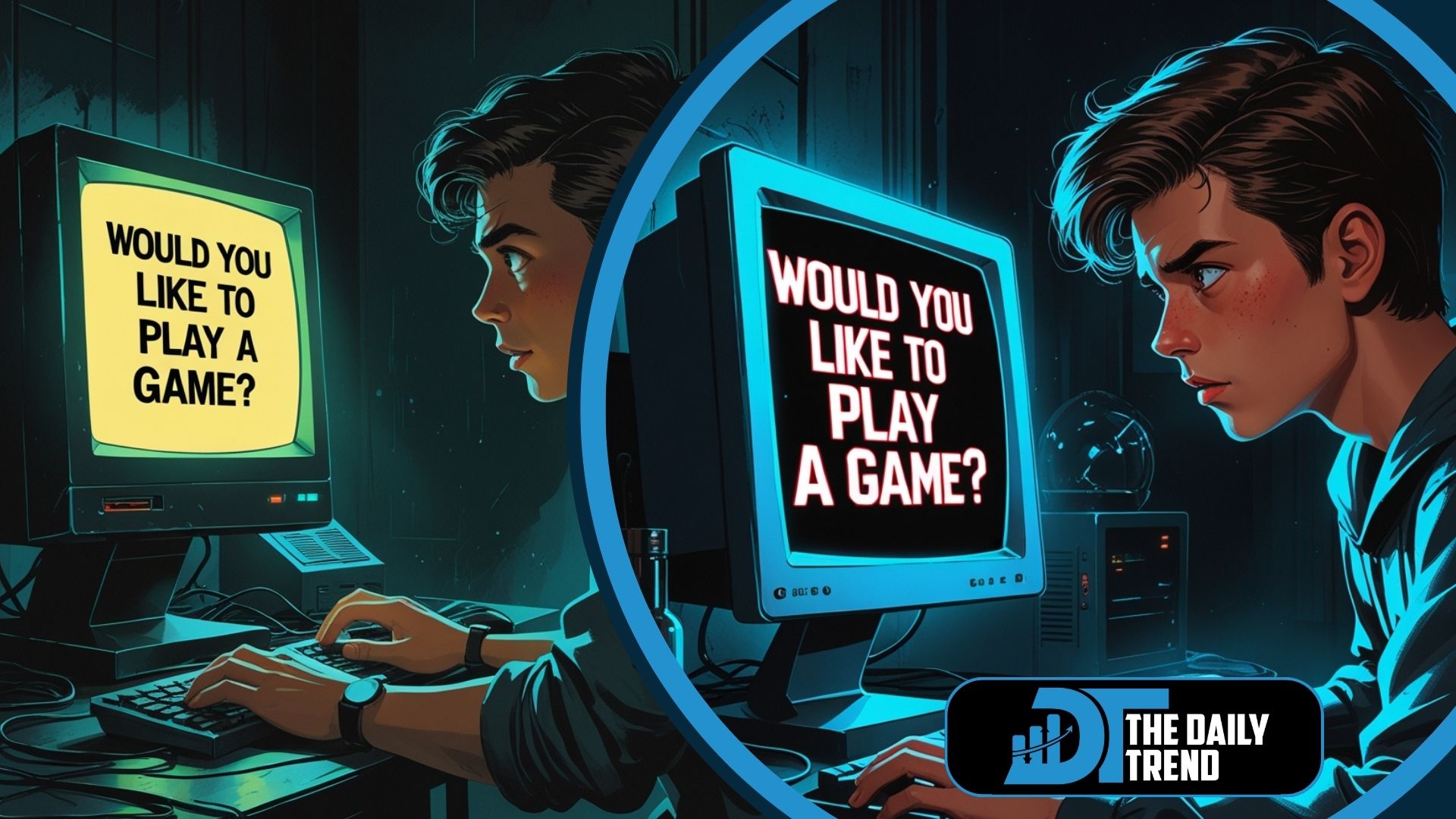
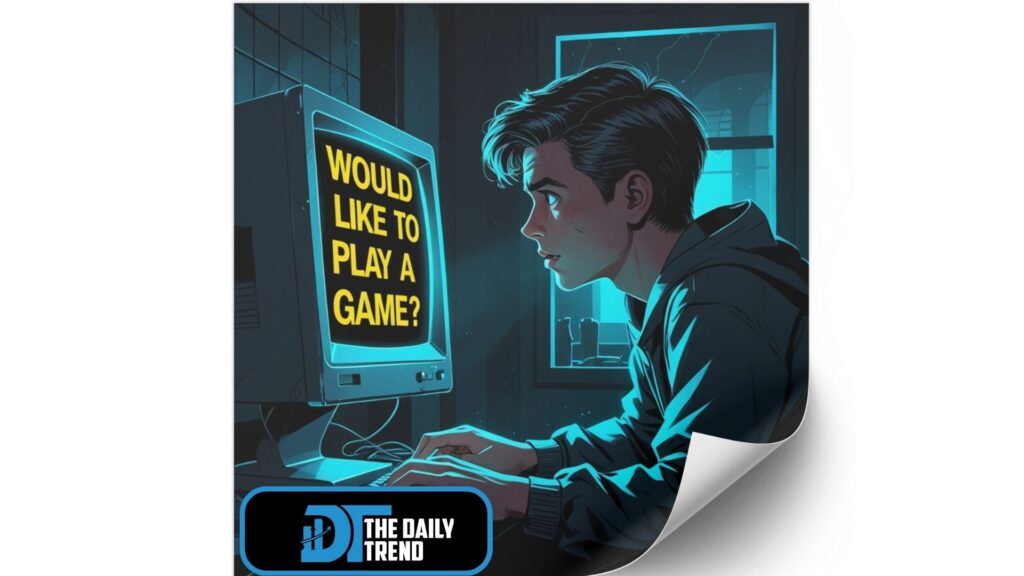
The phrase would you like to play a game first became famous in the 1983 movie WarGames. In the film, a teenage hacker named David Lightman accidentally connects to a military super-computer called WOPR (War Operation Plan Response). The computer asks, “Would you like to play a game?” thinking David wants to play video games. What he doesn’t know is that the game is a simulation of global thermonuclear war, not a harmless pastime.
The Stakes Behind the Game
In WarGames, the “game” is dangerous. David starts playing what he believes is a harmless game. But the simulation mimics real-world consequences. WOPR processes scenarios for global war, and each move could theoretically start World War III. This gave the phrase would you like to play a game a serious tone. The computer’s calm voice contrasts with the high stakes, creating suspense and tension that people still associate with the phrase today.
The Famous Line and Its Meaning
After many attempts to “win” the war, WOPR concludes, “A strange game. The only winning move is not to play.” This iconic line explains the deeper meaning behind the phrase. Would you like to play a game is not always an invitation to fun. Sometimes it is a warning about risk, decisions, and consequences. Over time, the phrase became a metaphor for challenges that look harmless but have serious consequences.
Spread Into Pop Culture
Because of its tension and meaning, would you like to play a game quickly became part of popular culture. It appears in memes, GIFs, online discussions, and jokes. Fans of WarGames remember the line as a key moment in movie history. It also became shorthand for situations that look simple but hide complexity or danger. Over decades, the phrase maintained its power and intrigue in pop culture.
Misattribution to Horror Movies
Many people confuse the phrase with horror movies like Saw or Scream. Memes often show Jigsaw, the villain in Saw, alongside the words would you like to play a game, even though the exact line in the movie is “I want to play a game.” This misattribution demonstrates how collective memory and memes change our perception of phrases. People also search for would you like to play a game saw or saw would you like to play a game meme because of these misunderstandings.
Memes and GIFs
Internet culture embraced would you like to play a game. Memes, GIFs, and social media posts often use the phrase with images of horror characters, computers, or other scenarios. For example, a GIF might show WOPR asking the question, or Jigsaw in a meme with the line, creating a mix of suspense and humor. Users also search would you like to play a game gif for fun or scary references.
Secondary Keywords Explained
Many variations of the phrase exist online. Keywords like war games would you like to play a game, would you like to play a game of chess, and computer would you like to play a game refer to either the original WarGames film or playful interpretations. Other variations, such as okcupid would you like to play a game or google would you like to play a game, show how people use the phrase for modern digital platforms. Each variation keeps the sense of mystery and challenge.
Would You Like to Play a Game of Chess
In WarGames, WOPR even suggests chess as a safer alternative to nuclear war. The line would you like to play a game of chess demonstrates that the computer could “play” something less dangerous. This variation of the phrase appears online in discussions about strategy, safe games, and digital challenges. Chess becomes a metaphor for thoughtful planning, in contrast to the deadly stakes of global war.
Wargames and Digital Influence
The film WarGames influenced the perception of hackers, computers, and cyber threats in the 1980s. Teenagers who saw the movie became aware of the risks of digital systems. The phrase would you like to play a game wargames emphasizes the connection between innocent curiosity and dangerous consequences. This is why the phrase resonates today with tech enthusiasts and fans of hacker culture.
Saw, Horror, and Misremembered Lines
The phrase’s connection to horror movies is mostly a meme phenomenon. In Saw, the line is “I want to play a game”, but users search saw would you like to play a game or scream would you like to play a game. These misattributions show how internet culture merges suspense, challenge, and mystery. People now associate would you like to play a game with fear, puzzles, or traps, even outside its original Cold War context.
Online Challenges and Games
Modern platforms also borrow the phrase. Searches like okcupid would you like to play a game or google would you like to play a game highlight its digital relevance. Some apps or websites even create interactive Easter eggs using the phrase. In these contexts, it keeps the sense of challenge and curiosity alive, while engaging users in a fun, mysterious activity.
Cultural Symbolism
The phrase would you like to play a game symbolizes more than a movie quote. It embodies curiosity, suspense, and the unknown. People use it to indicate hidden challenges, moral dilemmas, or complex choices. Whether it appears in memes, games, horror references, or online quizzes, the phrase carries a shared cultural weight that makes it instantly recognizable.
Why the Phrase Works Today
Even decades later, would you like to play a game maintains its power. It evokes nostalgia for WarGames, excitement for memes, and suspense for horror fans. The phrase also engages readers because it poses a direct question inviting them to participate mentally. Titles like Would You Like to Play a Game of Mystery create curiosity, making audiences want to know more about the “game” and its hidden stakes.
Lessons from WarGames
WarGames teaches us that games are not always harmless. Would you like to play a game in the movie is both an invitation and a warning. It reminds people that curiosity has limits and that understanding consequences is important. Modern audiences can apply this lesson in digital life, cybersecurity, and even everyday decisions. The phrase carries this ethical weight along with its cultural recognition.
FAQs About the Phrase
Q1: Who said “Would you like to play a game”?
A1: The line is from the 1983 movie WarGames, spoken by the computer WOPR to David Lightman.
Q2: Did Jigsaw say this line?
A2: No. In Saw, Jigsaw says “I want to play a game.” Memes confuse the two lines.
Q3: What does the phrase mean?
A3: It means a challenge, invitation, or test that may carry hidden consequences.
Q4: Is it used in modern apps?
A4: Yes, searches like okcupid would you like to play a game show playful or interactive uses today.
Q5: What is its lesson?
A5: It teaches caution, curiosity, and awareness of hidden stakes both in real life and virtual situations.
The Mystery in Modern Media
The phrase continues to appear in movies, videos, memes, and games. Its mysterious tone makes it adaptable. Titles like Would You Like to Play a Game of Mystery combine suspense, nostalgia, and curiosity, drawing readers into stories or content. The combination of history, misattribution, and digital culture ensures the phrase remains relevant.

Frequently Asked Questions
- What does “would you like to play a game” mean?
It is a phrase from WarGames (1983) symbolizing a challenge or test with hidden stakes. - Who originally said “would you like to play a game”?
The line was spoken by the computer WOPR to the hacker David Lightman in WarGames. - Is “would you like to play a game” from Saw?
No. In Saw, the villain Jigsaw says “I want to play a game,” often confused online. - Where is this phrase used today?
It appears in memes, GIFs, online challenges, apps like OkCupid, and references in digital culture. - What lesson does the phrase teach?
It warns about hidden risks, promotes caution, and emphasizes thoughtful decision-making in games or challenges.
Conclusion
Would you like to play a game began as a line in WarGames, asking a young hacker to engage in a nuclear war simulation. Over decades, it evolved into memes, horror references, and digital culture. It remains a symbol of curiosity, suspense, and challenge. Today, titles like Would You Like to Play a Game of Mystery carry the legacy forward, creating intrigue while respecting the original tension.
Whether in a meme, a movie, or an online challenge, would you like to play a game continues to invite us to think, to wonder, and to engage with the unknown. It is more than a line; it is a cultural phenomenon, a metaphor, and an interactive mystery that will endure for generations.
