

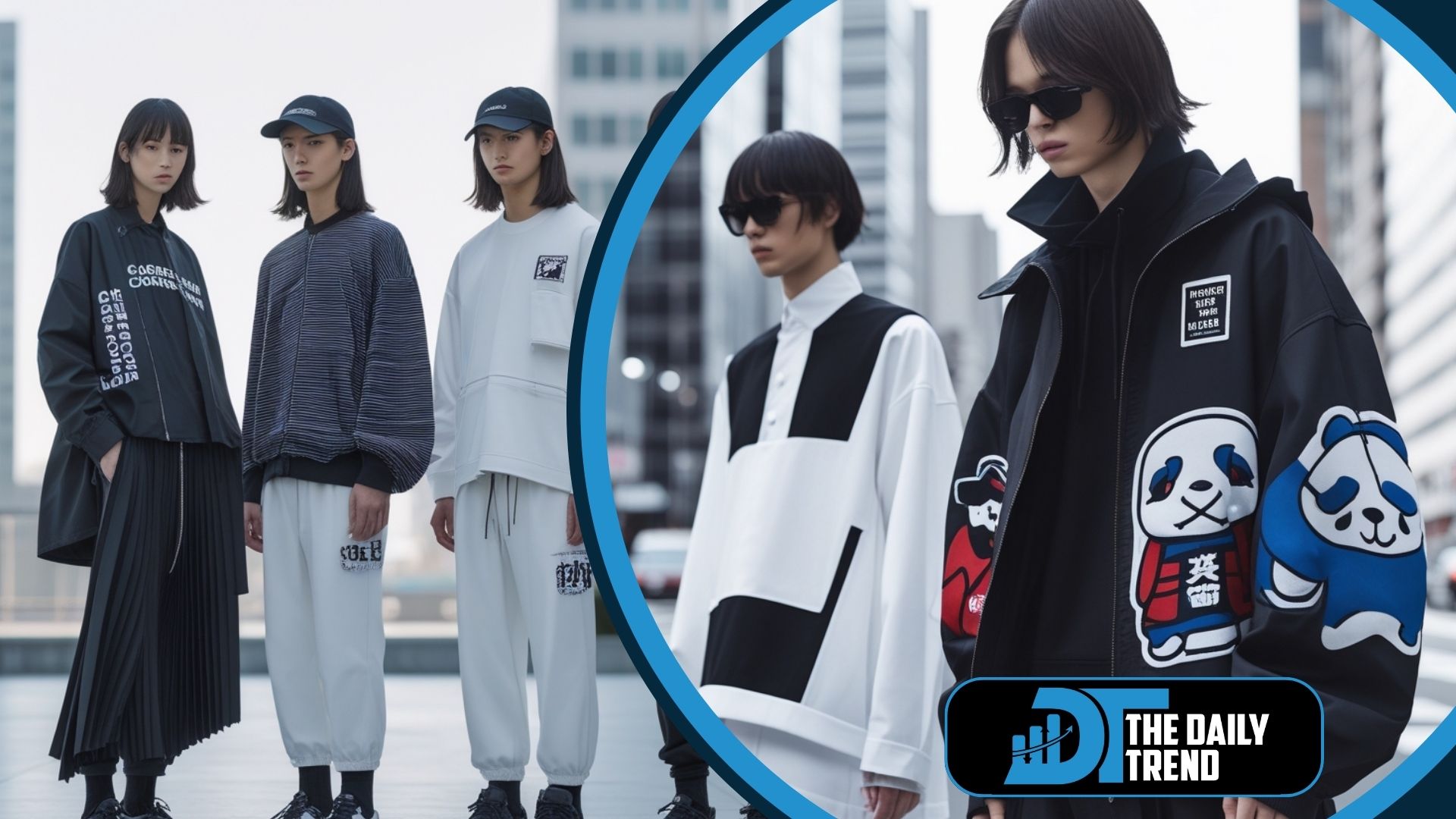
Japanese fashion brands are changing how people in the United States see style, design, and quality. Their ideas feel fresh, modern, and meaningful. Many American shoppers now prefer clothing that has strong character, simple shapes, and deep cultural stories. Because of this, Japanese designers and labels are becoming a big part of today’s fashion market. Their rise is not fast or loud; it is slow, powerful, and based on trust built through quality and creativity.
Quick Bio Table for “Japanese Fashion Brands”
| Category | Details |
|---|---|
| Topic Focus | Japanese Fashion Brands |
| Industry | Fashion & Apparel |
| Origin | Japan |
| Style Types | Streetwear, Minimalist, Avant-Garde, Luxury |
| Popular Brands | Uniqlo, BAPE, Comme des Garçons, Issey Miyake |
| Target Audience | Trend lovers, fashion shoppers, streetwear fans |
| Key Strengths | Quality, innovation, craftsmanship |
| Where Available | USA, Europe, Asia (online + retail) |
| Price Range | Affordable to Luxury |
| Best For | Everyday wear, streetwear, designer fashion |
| Unique Selling Point | Blends modern design with cultural influence |
| Shopping Platforms | Brand websites, Amazon, Farfetch, retail stores |
Why Japanese creativity feels different in the USA
Japanese fashion brands bring a style that mixes tradition with modern life. This mix feels special to American buyers, who want clothes that show personality but still feel easy to wear. Japan has a long history of craftsmanship, and designers respect clothing as an art, not just a product. Brands like Uniqlo, Comme des Garçons, and Issey Miyake show this clearly. Their collections often use soft shapes, clean lines, and strong ideas that make a person stand out without needing loud colors or heavy logos.
Another reason for their influence is storytelling. Many American shoppers want clothing that “means something.” They want pieces made with thought and emotion. Japanese designers talk about nature, daily life, peace, balance, and personal freedom in their clothing. These ideas connect with US buyers who want more than fast fashion.
The rise of minimalist and avant-garde labels
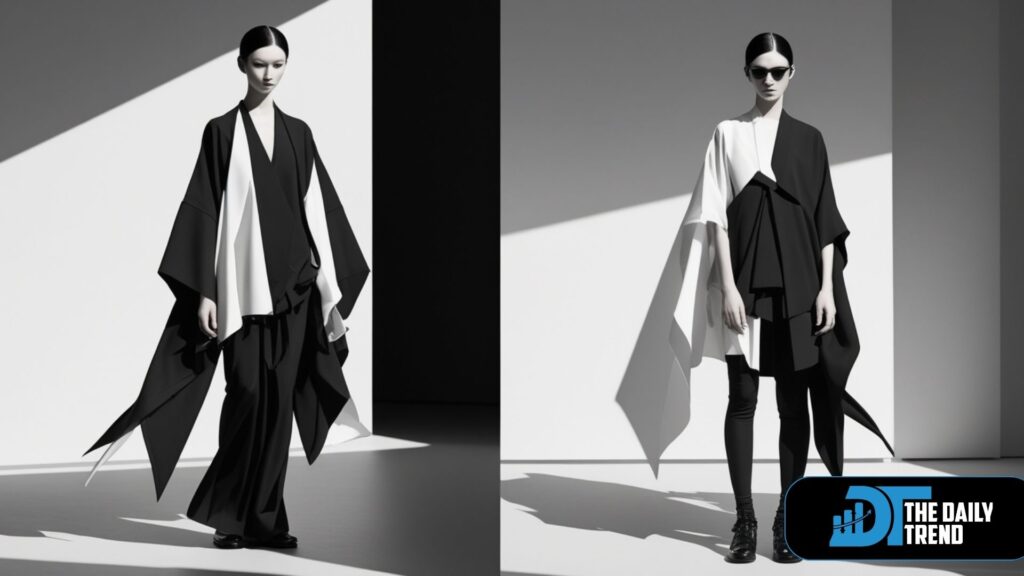
One major group of japanese fashion brands shaping the US market is the avant-garde category. These labels explore unusual shapes, broken rules, and creative freedom. Designers like Yohji Yamamoto, Rei Kawakubo, and Junya Watanabe focus on bold ideas. Their clothes are like moving art. They use black tones, long layers, and asymmetric cuts. This style attracts American fashion lovers who enjoy unique and meaningful design.
On the other side, minimalist brands like Auralee and Studio Nicholson (Japan-inspired) bring calm, soft colors and high-quality fabrics. Their pieces are simple but beautiful. Many US shoppers love this clean style because it works for work, travel, and daily life. This calm style creates a strong connection between Japanese clothing and modern American dressing.
Streetwear: From Tokyo to New York
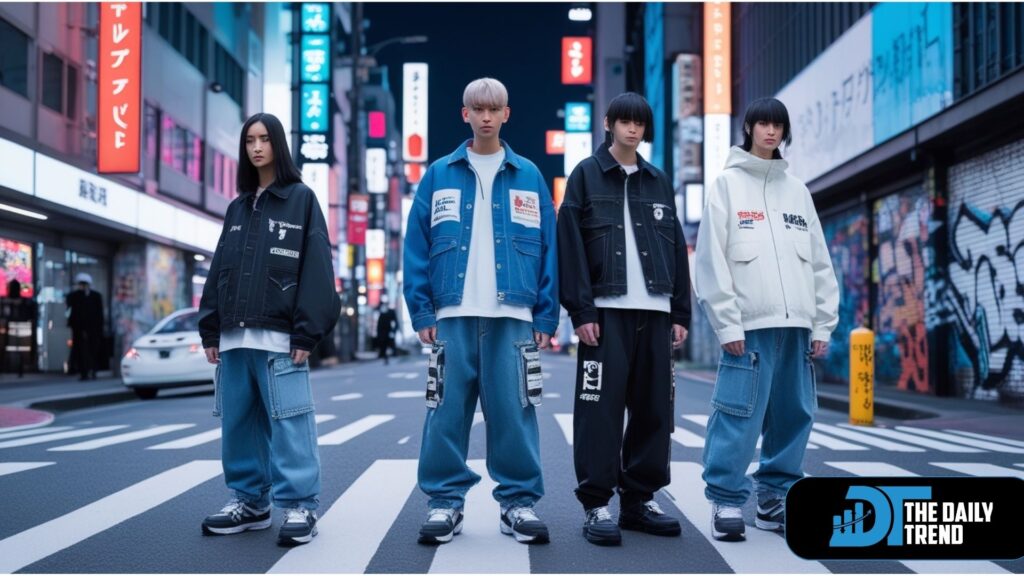
japanese fashion brands also have a deep influence in US streetwear. Brands like A Bathing Ape (BAPE), Neighborhood, and WTAPS became global names because of their bold prints, unique cuts, and cultural power. American youth admire these labels because Tokyo’s street culture feels fresh and different. The famous BAPE Shark Hoodie, the BAPE Camo Pattern, and WTAPS’ military-inspired style are popular in many US cities.
In the early 2000s, Japanese streetwear became a strong trend in hip-hop culture. Many US rappers wore Japanese pieces, making them even more popular. Today, the streetwear connection continues through sneakers, graphic tees, baggy pants, and limited-edition drops.
High-end and luxury influence
Luxury japanese fashion brands create a special category in American fashion. Labels like Visvim, Sacai, and Issey Miyake focus on fine materials, craft techniques, and long-lasting value. Their designs feel expensive, but they look natural and easy. Many American buyers who want quiet luxury now choose Japanese labels over European ones.
These brands shape US fashion in many ways:
- They introduce new fabric technologies
- They push designers to think in new ways
- They mix old Japanese craft with modern world trends
- They make luxury feel comfortable, not flashy
Because of this, many US luxury shoppers now follow Japanese designers more closely.
Popular and famous Japanese brands in the USA
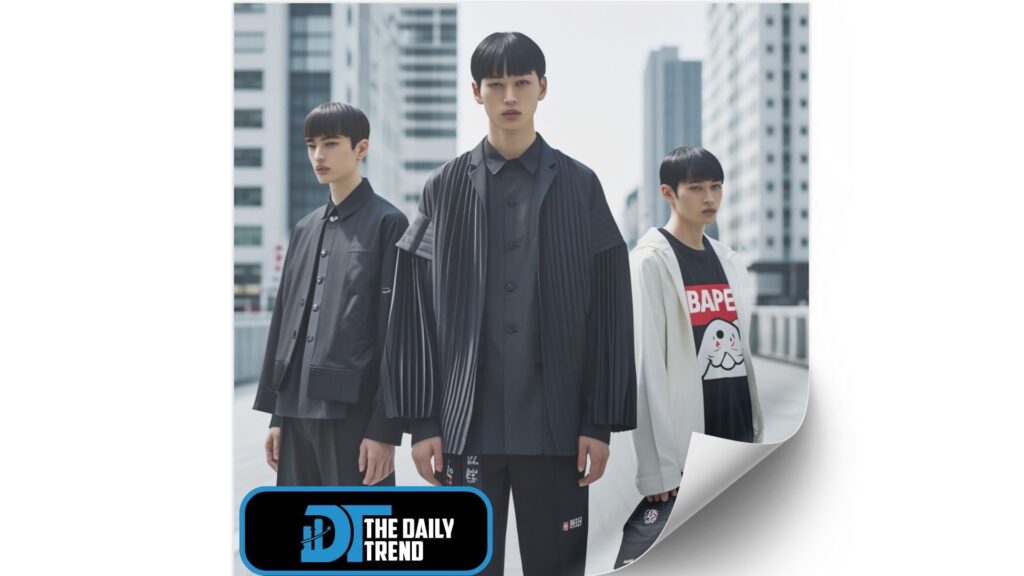
There are many japanese fashion brands well known across the US. Some of the most popular names include:
Uniqlo – affordable basics and smart everyday wear
Comme des Garçons – creative and artistic designs
Yohji Yamamoto – large silhouettes and black tones
Issey Miyake – technology, pleated clothing, and modern cuts
BAPE – iconic streetwear
Sacai – hybrid designs and layered looks
Visvim – luxury craft and natural materials
These brands influence fashion buyers, stylists, and even Hollywood wardrobes.
Affordable and accessible choices
Not all japanese fashion brands are luxury or high-end. Many affordable labels make Japanese style easy for American shoppers. Uniqlo leads this group with soft fabrics, strong stitching, and reasonable prices. Their heat-tech basics, AIRism shirts, and simple outerwear are loved in the US.
Other smaller brands also provide budget-friendly street style and casual wear. These labels give US buyers a chance to enjoy Japanese fashion without spending too much.
Cute and Harajuku style reaching American youth
Japanese pop culture has a strong influence on US fashion. Styles like Harajuku, kawaii, and bright pastel outfits are now seen at festivals, anime events, and youth gatherings. Many young Americans love the playful colors, fun prints, and cartoon-inspired accessories.
Characters like Hello Kitty, My Melody, and Cinnamoroll help these fashion ideas spread faster. American teens mix these pieces with jeans, sneakers, and jackets to create new styles influenced by Japanese pop culture.
Baggy jeans and the 2000s revival
One big trend returning in the USA is baggy jeans, and many of these styles come from early 2000s japanese fashion brands. Tokyo street style during that time used loose denim, wide silhouettes, and relaxed fits. Today, the US denim market is bringing back these shapes. Big brands and smaller labels are all copying these Japanese-inspired cuts.
Loose denim looks comfortable, stylish, and modern. It works with sneakers, boots, and oversized hoodies. Many American influencers now wear these fits, helping Japanese denim ideas spread even more.
Top websites to shop cult Japanese labels
Finding cult or rare japanese fashion brands is easier today because many websites sell them. US shoppers can explore unique Japanese clothing through:
SSENSE – huge collection of top designers
Farfetch – luxury and high-end Japanese pieces
Grailed – resale and rare streetwear
Rakuten Global – direct items from Japan
ZOZOTOWN – Japan’s biggest fashion marketplace
StockX – streetwear and sneaker drops
These platforms help American buyers get authentic pieces without needing to travel to Japan.
Logos, symbols, and brand identity
Many japanese fashion brands use very simple logos. High-end labels often use clean text logos with no icon. This gives their clothing a calm and modern look. On the other side, streetwear labels like BAPE use strong and bold graphics, including the famous Ape Head Logo and Shark Hoodie Design.
These different logo styles show the range and depth of Japanese fashion. They help US shoppers quickly understand a brand’s personality.
Why the US fashion industry respects Japanese designers
The global fashion world has long respected Japan for creativity, risk-taking, and strong craftsmanship. The US fashion industry follows Japanese designers because they:
Bring new ideas
Focus on quality over quantity
Respect the history of clothing
Have a special artistic vision
Build long-term customer trust
Many American designers, including well-known names in New York, say they learned from masters like Rei Kawakubo and Yohji Yamamoto. Their influence shapes modern US fashion education and design thinking.
How Japanese brands continue inspiring American culture
In movies, music videos, street photos, and social media, Japanese fashion styles appear everywhere. US celebrities wear pieces from Comme des Garçons, Issey Miyake, and BAPE. Entertainers like actors, singers, and influencers show these styles to millions of people. When fans see their favorite celebrity wearing Japanese clothing, they want to try the style too.
This natural exposure helps japanese fashion brands grow stronger in the US market each year.
A growing future for US-Japan fashion connection
The future looks bright for japanese fashion brands in America. More young people follow Japanese designers, more stores sell their collections, and more influencers share their pieces online. The connection goes both ways: Japanese designers also learn from US trends, collaborations, and street culture.
This exchange creates a healthy and exciting fashion relationship between the two countries.
frequently asked questions
1. What are some popular Japanese fashion brands?
Popular Japanese fashion brands include Uniqlo, Comme des Garçons, A Bathing Ape, and Issey Miyake.
2. Why are Japanese fashion brands so popular?
They are known for quality fabrics, creative designs, and long-lasting craftsmanship.
3. Can I buy Japanese fashion brands online in the USA?
Yes, many Japanese brands offer official online stores and ship directly to the USA.
4. Are Japanese fashion brands expensive?
Some luxury brands are pricey, but many everyday Japanese brands are affordable.
5. Which Japanese brands offer streetwear?
A Bathing Ape, Neighborhood, and Undercover are top Japanese streetwear labels.
Conclusion
japanese fashion brands now play a big role in shaping US style. They bring deep creativity, strong craftsmanship, and powerful storytelling. From avant-garde runway pieces to everyday basics, from Harajuku colors to minimalist designs, Japanese labels offer something for every American shopper. Their influence continues to grow, shaping future trends, new ideas, and a creative direction that feels fresh, modern, and meaningful. This powerful impact shows that Japanese design will stay important in the American fashion world for many years.
