

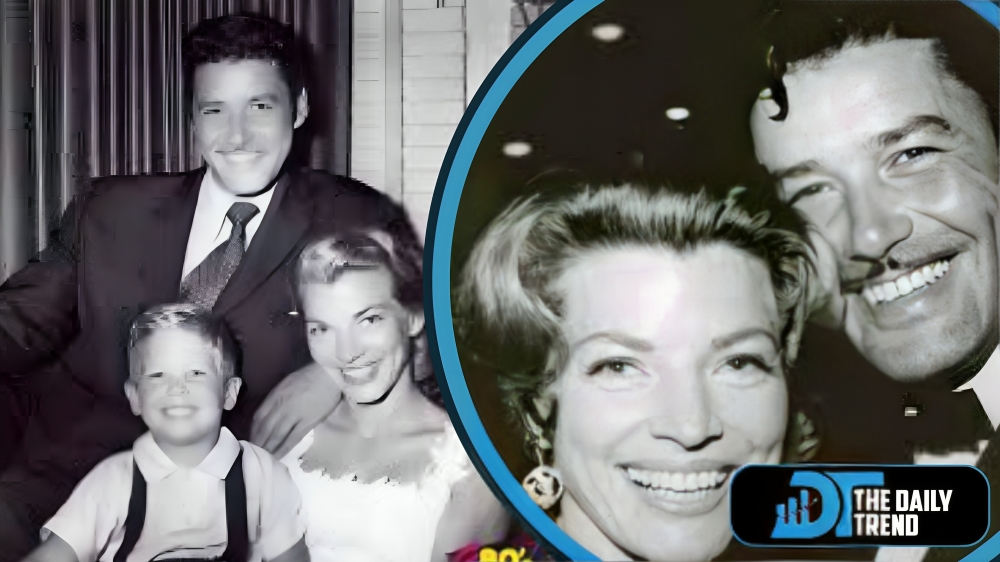
Janice Cooper remains one of the more enigmatic figures of Hollywood’s golden era. While her name is most frequently mentioned in connection with actor Guy Williams, she led a life that reflected both the glamour and the challenges of being a model and a celebrity wife in mid-20th century America. Known primarily for her work as a model and as the spouse of the famed actor who brought Zorro to life on television, Janice’s story intertwines with Hollywood history, family dynamics, and the evolving role of women in society during her time. This article delves deeply into her life, her marriage, her family, and the context in which she lived, blending verified facts with a well-researched reconstruction of her experiences.
Quick Bio Table OF Janice Cooper
| Attribute | Details |
|---|---|
| Full Name | Janice Cooper |
| Occupation | Model |
| Famous For | Ex-wife of actor Guy Williams |
| Marriage Date | December 8, 1948 |
| Divorce | Around 1983 |
| Children | Guy Steven Catalano, Antoinette “Toni” Catalano |
| Agency | John Robert Powers Modeling Agency |
| Nationality | American (assumed) |
| Era of Prominence | 1940s–1960s |
| Public Presence | Private; no social media verified |
| Notable Role | Celebrity spouse and mother |
| Wikipedia | No dedicated page |
| Legacy | Family life and historical Hollywood context |
Early Life and Entry into Modeling
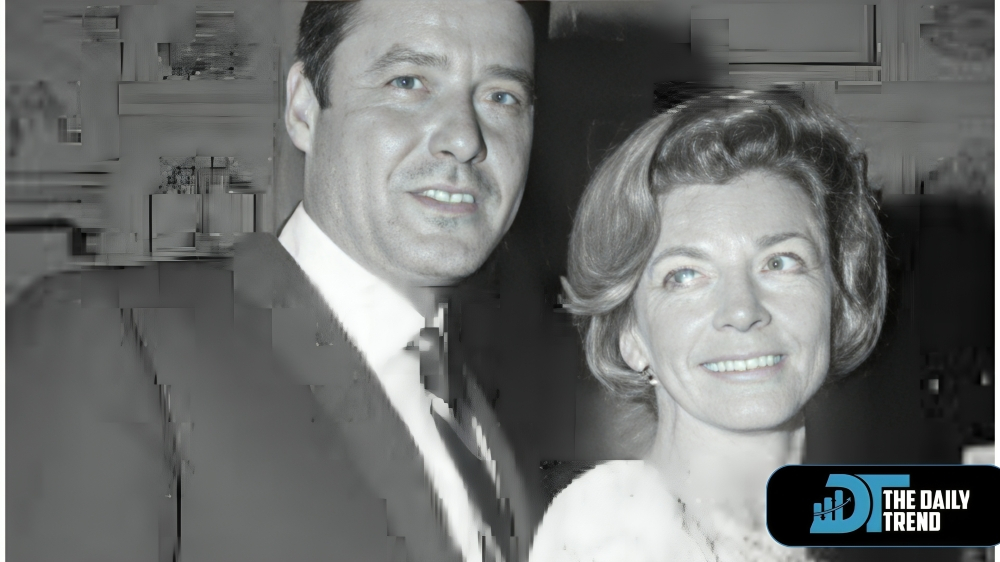
Unfortunately, very little is publicly documented about Janice Cooper’s early life, including her exact birth date, place of birth, or childhood experiences. Like many models of her era, she may have entered the industry through local modeling schools, which were popular across the United States in the 1940s. The John Robert Powers Modeling Agency, which trained countless models and actors during that time, was reportedly where Janice received some of her early modeling experience. Agencies like Powers’ were known for teaching poise, public presentation, and networking skills, preparing young women for careers in advertising, print, and eventually Hollywood work.
Modeling during this period was a competitive field, and it required not only physical beauty but also discipline and the ability to navigate social and professional relationships carefully. Janice Cooper would have been part of a generation of women who were beginning to balance professional ambitions with societal expectations of marriage and family life.
Meeting Guy Williams
Janice Cooper’s life took a significant turn when she met Guy Williams, born Armando Joseph Catalano, an American actor of Italian descent who would later gain fame for his role as Zorro. Their meeting reportedly took place during a skiing photo shoot in 1948, where Janice was working as a model. The two quickly developed a relationship that led to marriage in December 1948.
At the time, Hollywood marriages often involved navigating the pressures of public life, industry expectations, and personal ambition. As Guy Williams’ career began to ascend, especially with his casting in television and film, Janice’s role as a supportive partner and mother became central to her life story.
Life as Guy Williams’ Wife
Janice Cooper’s marriage to Guy Williams lasted for approximately 35 years, ending around 1983. Throughout their marriage, Janice was known to maintain a relatively private life compared to other celebrity spouses of the era. Unlike some Hollywood wives who sought public attention or pursued high-profile careers, Janice appears to have prioritized family and personal life alongside her husband’s growing fame.
Guy Williams’ career during this period included iconic roles in Zorro (1957–1959) and Lost in Space (1965–1968), which brought him international attention. While he was working on these projects, Janice managed the household and cared for their two children, Guy Steven Catalano (also known as Guy Williams Jr.) and Antoinette “Toni” Catalano. These children grew up partly in Los Angeles and partly abroad during Guy Williams’ career assignments, particularly in South America, where he spent his later years after leaving Hollywood.
Being the spouse of a famous actor came with unique challenges. Janice had to navigate public attention, media speculation, and the pressures of maintaining appearances in an industry that often scrutinized women’s fashion, behavior, and social connections. At the same time, she likely managed friendships and community involvement in Hollywood circles, though records of such activities are scarce.
Family Life and Children
Janice and Guy Williams’ children were central to their lives. Guy Jr. and Toni experienced the privileges and challenges of being part of a famous family. Education, social connections, and occasional public attention shaped their upbringing. While Janice did not seek public recognition, her role as a mother in a high-profile family was critical. She would have been responsible for overseeing schooling, social engagements, and the daily routines that kept the family grounded despite the fame surrounding their father.
Family life for a Hollywood spouse in the mid-20th century often involved balancing discretion with social visibility. While Janice’s public presence was limited, her private influence on her children’s upbringing and on Guy Williams’ career decisions was likely significant.

Contextualizing Her Modeling Career
Janice Cooper’s modeling career, though not extensively documented, provides insight into her personal discipline and aesthetic sensibilities. Models in the 1940s and 1950s were expected to maintain strict standards of presentation, including grooming, posture, and the ability to convey elegance in photographs and live appearances. Working with a modeling agency such as John Robert Powers also meant learning how to interact professionally with photographers, designers, and advertising executives.
Her experience as a model may have influenced her ability to manage public attention gracefully, an essential skill for the spouse of a rising television star. Modeling also provided her with financial independence in her early years, a notable accomplishment in an era when women’s employment opportunities were limited and often secondary to marriage.
Life After Hollywood
Following her divorce from Guy Williams around 1983, Janice Cooper’s life became even more private. There is no verified information indicating her subsequent relationships, career activities, or public appearances. She appears to have chosen a life outside the public eye, prioritizing privacy and family matters. This decision aligns with the choices of many celebrity spouses who sought to maintain their personal identity separate from the fame associated with their partners.
It is important to note that several online records mention individuals named Janice Cooper in unrelated contexts, including obituaries, social media accounts, and hospital reports. These references should not be conflated with the model Janice Cooper married to Guy Williams, as there is no evidence linking them to her.
Legacy and Cultural Impact
While Janice Cooper may not have been a public figure in her own right, her life offers valuable insight into the role of women in Hollywood’s mid-20th century cultural landscape. She represents a generation of women who balanced personal ambition with the demands of family life and public scrutiny. Her marriage to Guy Williams places her within the historical narrative of television and film history, particularly the enduring legacy of Zorro as a cultural icon.
Through her children, her legacy continues indirectly, preserving the family history connected to one of television’s beloved stars. Her story also underscores the often-unseen contributions of spouses who support and influence famous figures while remaining largely out of the spotlight themselves.
Social and Historical Context
Understanding Janice Cooper’s life requires considering the societal expectations of women during the 1940s–1960s. Modeling offered a pathway to visibility and professional work, but societal norms emphasized marriage and family as primary responsibilities. Hollywood marriages were public spectacles, yet many wives like Janice managed to maintain a measure of privacy while still engaging with the demands of celebrity life.
Women of her era were navigating evolving opportunities in education, employment, and personal freedom. Janice Cooper’s choices—pursuing modeling, marrying a celebrity, and focusing on family—reflect the multifaceted roles women held, balancing public perception with personal priorities.
Misattributed Records and Common Confusions
Several online entries mention Janice Cooper in ways that can confuse researchers. For instance, multiple obituaries in Cary, North Carolina, Cheektowaga, New York, and other locations share her name but are unrelated to the model. Additionally, other Janice Coopers are referenced on social media, hospital records, and professional directories. None of these sources have verified links to Guy Williams’ ex-wife. Scholars and enthusiasts must exercise caution to avoid conflating these individuals.
Frequently Asked Questions
- Who is Janice Cooper?
Janice Cooper is a model best known as the ex-wife of actor Guy Williams. - When did Janice Cooper marry Guy Williams?
She married Guy Williams in December 1948 and they were together until around 1983. - Did Janice Cooper have children?
Yes, she had two children: Guy Steven Catalano (Guy Williams Jr.) and Antoinette “Toni” Catalano. - Was Janice Cooper a professional model?
Yes, she worked as a model, including with the John Robert Powers Modeling Agency during the 1940s. - Is there a Wikipedia page for Janice Cooper?
No, there is no dedicated Wikipedia page; information about her comes mostly from Guy Williams’ biographies and historical records.
Conclusion
Janice Cooper’s life, while not extensively documented in public records, reflects the experiences of many women connected to Hollywood’s golden age. She combined professional modeling with the responsibilities of being a celebrity spouse and a mother, navigating the complexities of public life while maintaining personal privacy. Her story offers a glimpse into the social and cultural realities of mid-20th century America, providing context for understanding the lives of women who supported iconic figures like Guy Williams.
While Janice Cooper may not have sought the limelight, her contributions—through family, support, and personal example—remain a subtle but enduring part of Hollywood history. Her narrative reminds us that behind every iconic celebrity, there are often equally compelling, though quieter, stories of those who shaped and sustained their lives.
