


Understanding the game warden salary across the United States is important for anyone who wants to work in wildlife law enforcement. The job of a game warden is active, complex, and often dangerous. Many people want to know how much they can earn, what benefits are offered, and how pay changes from state to state. This guide explains everything clearly, using real examples and simple details so readers understand the full picture.
Quick Bio Table of game warden salary
Use this table in your article for quick reference.
| Category | Details |
|---|---|
| Profession | Game Warden |
| Job Type | Law Enforcement & Wildlife Protection |
| Average Salary (USA) | $50,000–$75,000 yearly |
| Highest Paying States | California, Washington, New Jersey |
| Lowest Paying States | Mississippi, Alabama, Louisiana |
| Education Required | Bachelor’s Degree (Criminal Justice, Wildlife Biology) |
| Training Needed | State Law Enforcement Academy |
| Physical Requirements | Strong fitness, swimming skills, firearm training |
| Key Duties | Wildlife protection, patrol, investigations, rescue |
| Work Environment | Forests, lakes, rivers, mountains, rural areas |
| Job Risks | Wildlife danger, harsh weather, remote patrols |
| Benefits | Health insurance, pension, paid leave |
| Career Growth | Senior Warden, Investigator, Federal Officer |
What a Game Warden Does in the USA
The game warden salary depends heavily on job duties. A game warden works to protect wildlife, enforce hunting and fishing laws, and guide outdoor safety. They patrol lakes, forests, deserts, and rivers. They may work alone for long hours and respond to emergencies. This is why states offer structured pay and special benefits.
Game wardens also teach the public about safe hunting, wildlife rules, and conservation. They come in contact with hunters, hikers, and fishers every day. Because the job can involve search and rescue, crime investigation, and wildlife protection, states try to offer pay that matches the risk and responsibility.
How Game Warden Salary Is Decided
The game warden salary in each state follows certain rules. Most states use pay grades, step increases, yearly raises, and training bonuses. States also look at cost of living, region, and the demand for officers.
Entry-level officers normally start at a lower step. As they move through ranks like Corporal, Sergeant, and Lieutenant, their pay increases. Overtime, night duty, water patrol, and seasonal shifts also influence total earnings. Some states offer hiring bonuses to bring more officers into the field.
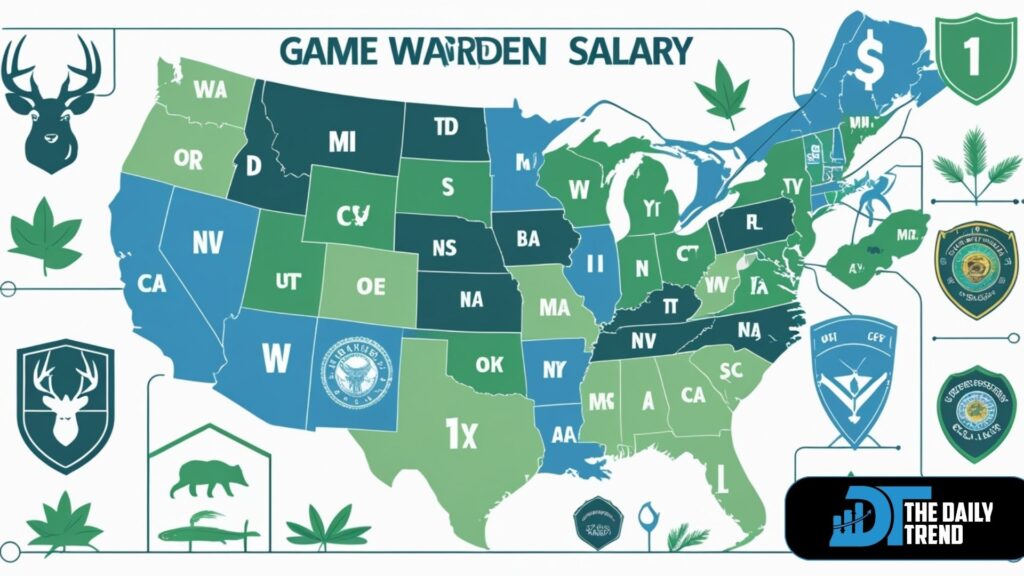
Game Warden Salary by State
Because each state has different budgets and wildlife needs, the game warden salary can vary widely. Below is a simple breakdown of major states and what they commonly offer to new and experienced officers.
Texas Game Warden Salary
The texas game warden salary is known for being one of the highest. New officers can start around strong mid-level pay, and experienced officers may earn near the top range for the region. Texas offers organized steps that increase with years of service, making it a stable and attractive career path.
California Game Warden Salary
The california game warden salary is also high. Cadets receive monthly wages during academy training, and full-time wardens earn a strong salary after passing probation. The state also offers powerful benefits because the cost of living in many California cities is high.
Florida Game Warden Salary
The florida game warden salary recently went up to attract more recruits. Starting wages are now competitive, and some positions offer signing bonuses. Florida needs many officers to protect its coastline, beaches, forests, and freshwater systems.
Georgia / GA Game Warden Salary
The georgia game warden salary or ga game warden salary sits in a comfortable range for the Southeast. Officers receive structured step raises and state benefits. Georgia includes mountains, forests, and coastal access, giving wardens varied work each season.
Alabama Game Warden Salary
The alabama game warden salary is usually mid-range. Some areas offer slightly higher wages due to outdoor tourism and heavy hunting activity. Alabama also includes strong retirement plans and medical benefits to support long careers.
Mississippi Game Warden Salary
The mississippi game warden salary is generally on the lower end, but Mississippi has low cost of living, so pay often stretches further. Officers handle many tasks such as boating patrol and hunting enforcement across forests and river areas.

Louisiana Game Warden Salary
The louisiana game warden salary starts well at the cadet level and increases after training is completed. Louisiana’s unique bayous, swamps, and marshes keep officers busy with wildlife protection and fishing enforcement.
Oklahoma Game Warden Salary
The oklahoma game warden salary is mid-range overall. Pay rises with experience, and some positions come with extra allowances for special duties. Wardens protect plains, forests, and lake regions in the state.
Wyoming Game Warden Salary
The wyoming game warden salary is strong considering rural locations. Wyoming’s huge wildlife population means officers respond to big game issues, long patrol routes, and seasonal outdoor challenges.
Montana Game Warden Salary
The montana game warden salary is competitive and often rises quickly with time served. Montana’s large mountains, forests, and lakes give officers interesting work and varied environments.
Maine Game Warden Salary
The maine game warden salary balances good wages with strong benefits. Maine’s Warden Service is famous for its work in search and rescue and extreme weather patrol, so pay often reflects the challenge.
Pennsylvania (PA) Game Warden Salary
The pa game warden salary uses a public pay scale so officers can see their wage growth clearly. Pennsylvania updates its schedule regularly, making it simple to understand career-long earnings.
North Carolina (NC) Game Warden Salary
The game warden salary nc is moderate but supported by state benefits and retirement programs. North Carolina offers coastal, mountain, and wetland assignments, keeping the job varied.
Fish and Game Warden Salary
The fish and game warden salary refers to the broader field of wildlife officers in multiple agencies. These may include national parks, federal waters, and conservation programs that require specialized training.
Typical Pay Structure Across States
A clearer way to understand the game warden salary is to view the normal career progression. Most officers begin as cadets during academy instruction. This phase includes tactical skills, wildlife knowledge, physical conditioning, and field safety.
After graduating, they become full officers and start earning standard pay. As officers grow in experience, they may reach senior ranks. These higher positions offer bigger salaries, leadership duties, and sometimes investigative roles.
Bonus Pay, Overtime, and Benefits
Along with the basic game warden salary, officers may earn overtime pay during hunting season, holiday shifts, and emergency responses. Some states also add night patrol bonuses or marine duty pay. Uniform allowances and training bonuses are common.
Most agencies include health insurance, paid vacation, paid sick leave, and strong retirement plans. These benefits increase total compensation and support long-term well-being.
Why Salary Changes by State
The game warden salary depends on location. States with high living costs, such as California, offer higher pay. States with large land areas and strong outdoor industries, like Texas, Florida, and Montana, need many officers and offer competitive wages.
More rural states sometimes pay less but offer strong retirement and good benefits. Terrain difficulty, wildlife population size, and emergency needs also shape how much a warden earns.
How to Become a Game Warden
To earn a game warden salary, candidates need certain qualifications. Requirements usually include a clean background, a high school diploma, and strong physical fitness. Many states prefer a college degree in criminal justice, environmental science, or biology, but it is not always required.
Candidates must also pass academy training, which covers field survival, wildlife laws, communication skills, and defensive tactics. Outdoor experience, boating skills, or military background can help applicants stand out.
Game Warden Salary by Experience Level
Experience has a major effect on the game warden salary. Entry-level officers begin with base pay. With time served, officers move into mid-level and senior positions, often doubling their starting wage over the years.
Ranks such as Senior Warden, Investigator, Sergeant, or Captain come with higher pay and added responsibility. Many officers stay long-term because of reliable yearly raises and strong retirement systems.
Why the Career Is Growing
The game warden salary is rising in many states because outdoor recreation is becoming more popular. More people are hiking, camping, fishing, and hunting. States need more officers to keep wildlife safe and ensure people follow the rules.
Modern technology like drones, mapping tools, and tracking software is also becoming part of the job. This makes the role more advanced and increases the value of trained officers.
Secondary Keywords in Real Context
Many readers search for terms like game warden salary by state, what is a game warden salary, or fish and game warden salary because they want clear comparisons. States such as Texas, Georgia, Wyoming, and Montana stand out for strong wages and high outdoor activity.
Frequently Asked Questions
1. How much is the average Game Warden salary in the USA?
The average Game Warden salary in the USA ranges from $50,000 to $75,000 per year, depending on the state and experience.
2. Which state pays the highest Game Warden salary?
States like California, New Jersey, and Washington usually offer the highest pay, often crossing $80,000+ annually.
3. What qualifications do you need to become a Game Warden?
Most states require a bachelor’s degree, strong fitness, clean records, and completion of a state law enforcement academy.
4. Do Game Wardens get benefits?
Yes, they get health insurance, retirement plans, paid leave, uniforms, and sometimes housing or patrol boats.
5. Is being a Game Warden a dangerous job?
It can be risky because of wildlife encounters, remote patrols, and enforcing laws, but proper training reduces dangers.
Conclusion
Today, the game warden salary shows how important wildlife conservation is across the United States. From Texas to Maine, game wardens help protect nature, guide the public, and respond to emergencies. Their pay reflects the advanced skills, dedication, and physical demands required for the role.
Anyone considering this career should look closely at each state. Review the salary, benefits, retirement, and career growth. With the right training and a passion for wildlife, becoming a game warden can be a strong, meaningful, long-term profession.
