

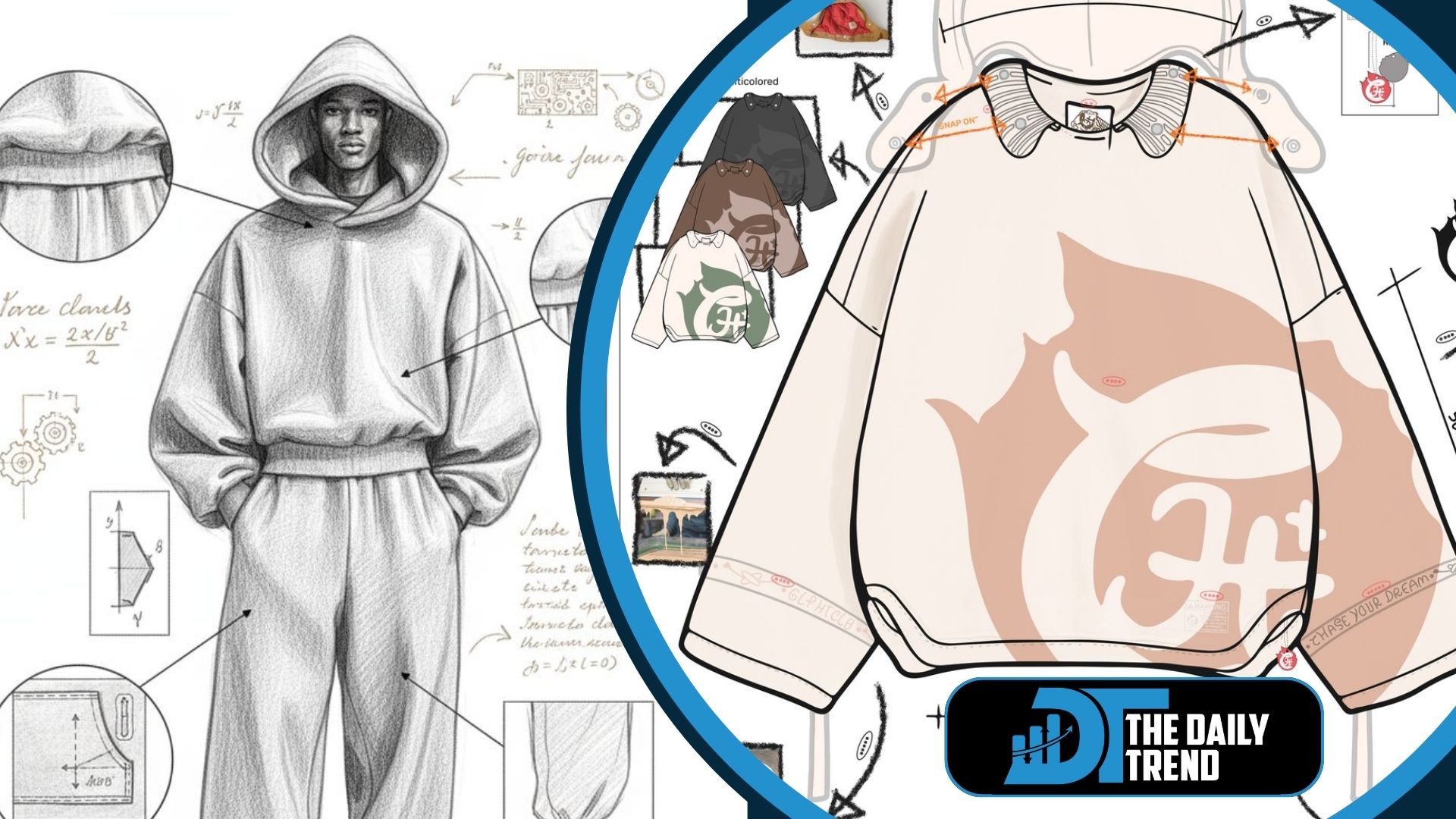
Summary: A tech pack template is the foundational document that bridges the gap between a designer’s vision and a factory’s execution. In 2024–2025, fashion brands are moving beyond static PDFs toward dynamic, collaborative, and AI-powered tech packs. This article explains what a tech pack template is, why it matters, how to build one, common pitfalls, garment-specific templates, and actionable workflows. It also includes insights from Reddit, a comparison table, and a step-by-step matrix for T-shirts, hoodies, and jeans.
1. What Is a Tech Pack Template?
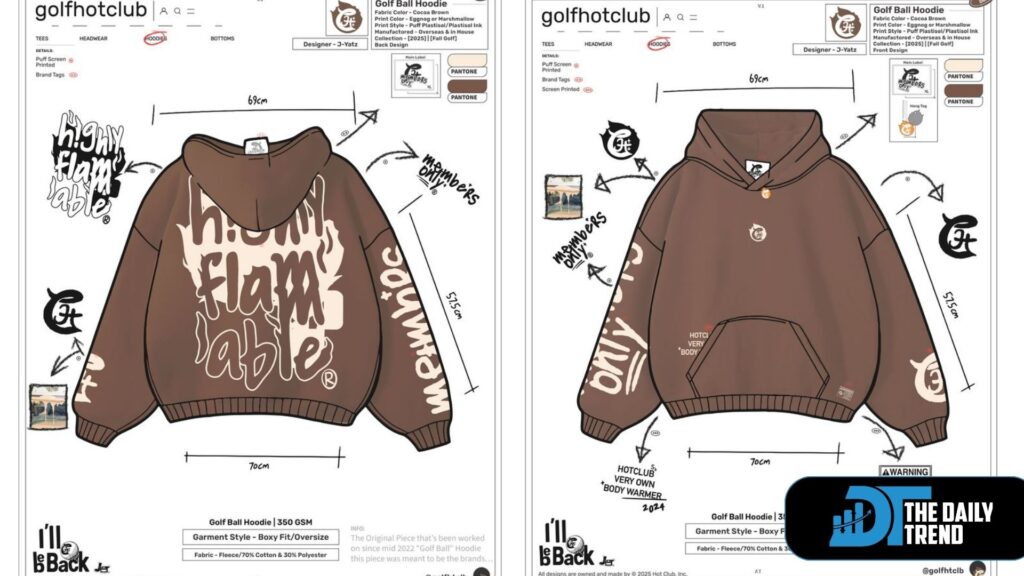
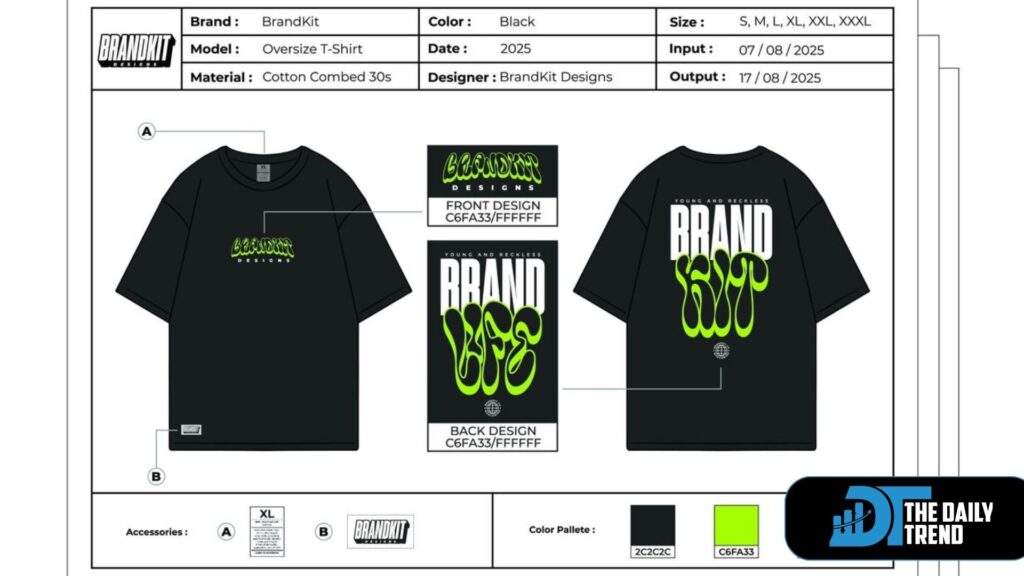
A tech pack template (or technical package) is a structured spec sheet used by designers to communicate every detail of a garment to a manufacturer. It includes flat sketches, size specs, materials (BOM), stitching and construction guidance, colorways, packaging, and revision history.
Tech packs reduce ambiguity between design and production. Clear tech packs help manufacturers understand exactly what’s required, from fabric weight to stitch type. Learn more about tech packs from Techpacker here.
2. Why It Matters (2025 Industry Context)
In 2025, relying on a generic or poorly detailed tech pack template can be risky. Key reasons include:
- Quality & Consistency: Ensures garments are identical across production runs.
- Cost Efficiency: Reduces sample errors and fabric waste.
- Time to Market: Minimizes back-and-forth with factories.
- Communication: Acts as a single source of truth for design, sourcing, and production teams.
- Scalability & Sustainability: Well-defined tech packs reduce waste and enable repeatable, eco-friendly production.
- Modern Shift: Interactive, collaborative tech packs replace static PDFs for global teams. Learn why tech packs are essential in fashion production here.
3. Key Components of a Modern Tech Pack
Essential elements of a tech pack template:
- Overview: Style name, code, brand, designer, date, version
- Technical Flats: Precise front/back/detail sketches with callouts
- Measurements & Spec Sheet: Points of Measure (POM), size grading, tolerances
- Bill of Materials (BOM): Fabrics, trims, labels, hardware
- Construction Instructions: Stitch types, seam allowances, reinforcements
- Colorways & Graphics: Pantone codes, prints, embroidery
- Labels & Packaging: Care labels, hang-tags, folding, polybag specs
- Costing & Cut Sheet: Cost breakdowns, size quantities
- Revision History: Version control, sample round notes
- Quality Points / QC: Inspection criteria, tolerances
Learn more about fashion tech packs and templates here.
4. Formats: PDF, Illustrator, Canva, Excel
| Format | Use Case | Pros / Cons |
|---|---|---|
| Share with factories | + Universal, easy to view / – Static, hard to edit | |
| Adobe Illustrator (AI) | Technical flats & callouts | + Precise, editable / – Requires design skill |
| Excel / Google Sheets | BOM, metrics, costing | + Easy to input data / – Less visual |
| Canva | Internal use or design review | + Visual & beginner-friendly / – Not ideal for production |
5. Free vs Paid Templates & Downloads
Free Templates
- Search “tech pack template free download” or “tech pack template pdf” for beginner-friendly options.
- Free versions are useful for learning but often lack detail. Customization is required.
Paid Templates
- Platforms like Fibr provide extensive AI + PDF tech pack templates with full instructions.
- Paid versions reduce errors and include detailed, production-ready fields.
6. Garment-Specific Templates
- Jeans: Fly construction, rivets, waistband, topstitching.
- T-Shirts: Chest, shoulder, sleeve, garment length.
- Hoodies: Hood depth, ribbing, drawcord, pocket details.
A tech pack template jeans requires more precise construction instructions than t-shirts or hoodies.
7. Best Practices & Step-by-Step Workflow
Framework for building a modern tech pack:
- Choose format: AI, PDF, Excel, or Canva
- Sketch technical flats (front/back/detail)
- Define measurements (POM, size grading, tolerances)
- Build BOM: fabrics, trims, labels, hardware
- Draft construction notes: stitches, seams, reinforcements
- Specify colorways and graphics
- Add labels and packaging instructions
- Calculate costing & cut sheets
- Track revisions and version control
- Include QC points
- Review & finalize before sending to the manufacturer
8. Step-by-Step Tech Pack Template Matrix
| Section | T-Shirt | Hoodie | Jeans |
|---|---|---|---|
| Overview | Style name, brand, code, designer, date, version | + hood style, pocket type | + fly type, waistband style |
| Technical Flats | Front/back sketches, sleeve detail | + hood, pocket, ribbing | + fly, waistband, pocket, seam lines |
| Measurements (POM) | Chest, shoulder, sleeve, length | + hood depth, pocket size | Waist, hip, inseam, outseam, leg opening, pocket depth |
| BOM (Materials) | Fabric, thread, label | + ribbing, drawcord, zipper | Denim, thread, rivets, button, zipper, labels |
| Construction Notes | Stitch type, seam, hem | + hood attachment, ribbing | + topstitching, fly, waistband, pocket reinforcement |
| Colorways & Graphics | Color codes, logo placement, prints | + embroidery | + wash type, distressing, logo embroidery |
| Labels & Packaging | Care label, brand label, folding, polybag | + hood folding | + hangtag |
| Costing & Cut Sheets | Material & production cost, size quantities | + hood/zipper cost | Material + hardware + labor cost, size quantities |
| Revision History | Version control | + sample notes | + sample notes |
| Quality Points (QC) | Stitch & measurement tolerance | + hood & pocket QC | + fly & pocket QC |
Usage: Follow each row step-by-step when filling out your tech pack. Update revision history and QC points to ensure accuracy.
9. Common Mistakes to Avoid
- Leaving BOM or construction notes incomplete
- Ignoring version control
- Using only static formats
- Blindly trusting free templates
- Not confirming file formats with manufacturers

10. Real-World Feedback: Insights from Reddit
- Tech pack template reddit threads highlight risks of incomplete free templates.
- Users stress that tech packs are essential for reducing errors and sample iterations.
- Future trends include digital product passports for traceability.
11. Comparison Table: Traditional vs Modern Tech Pack
Feature | Traditional | Modern / Digital |
|---|---|---|
| Document Type | Static PDF | Cloud-based, collaborative |
| Collaboration | Real-time workspace | |
| Version Control | Manual | Auto-logged |
| Update Speed | Slow | Instant sync |
| Access | Local | Global access via PLM |
| Scalability | Limited | Reusable for collections |
12. Emerging Trends: AI, PLM & Digital Product Passports
- AI-assisted tech packs suggest BOM and cost data automatically.
- Digital product passports track sustainability, materials, and certifications.
- Digital fashion reduces waste through virtual sampling.
Five Short Frequently Asked Questions
- What is a tech pack template?
A structured document that outlines all garment specifications for manufacturers. - Can I download a free tech pack template?
Yes, you can download free PDFs, Illustrator files, or Canva templates for apparel. - Which format is best for a tech pack template?
Use PDF for sharing, Illustrator for editable sketches, and Excel/Sheets for BOM. - What should a jeans tech pack include?
Include fly construction, waistband, pocket placement, topstitching, and size grading. - Why is using a tech pack template important?
It ensures production accuracy, reduces errors, saves time, and maintains consistency.
14. Conclusion
A tech pack template is essential for producing high-quality, consistent, and efficient apparel. Using free or paid templates, customizing for garment type, adopting modern collaborative formats, and leveraging community insights ensures a professional workflow.
The Step-by-Step Matrix makes the process modular and scan-friendly, perfect for T-shirts, hoodies, and jeans. Modern, AI-assisted tech packs help reduce errors, improve sustainability, and future-proof your apparel brand for 2025.
